
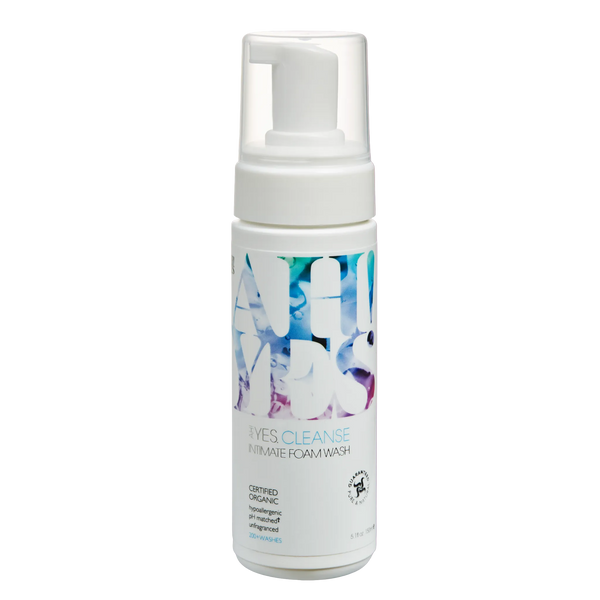
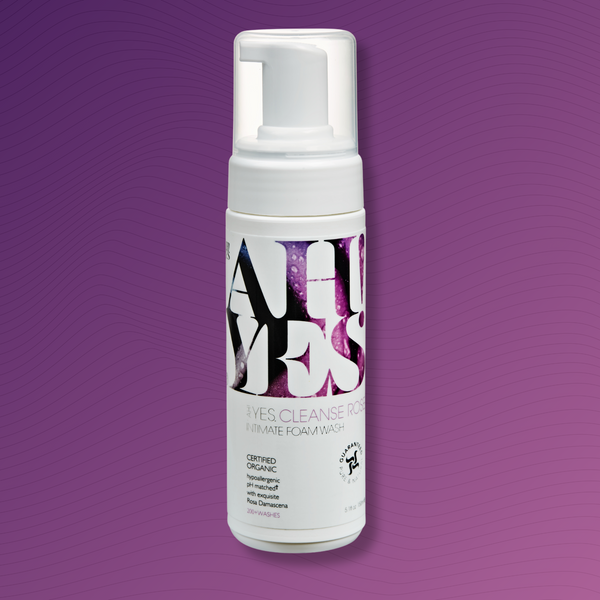

CLEANSE Intimate Wash

Scent::
FREE Shipping* on orders over $50

Have a discount code? Add it in the next step.
4.8/5 based on 1,630 reviews
Vaginal dryness can affect women at any age. In the U.S., an estimated 17 million women experience vaginal dryness before menopause, with many more affected during and after menopause. It’s often assumed that this discomfort mainly affects women going through menopause—but that isn’t true. Hormonal changes, health conditions, and lifestyle factors can all impact your intimate health. If you’ve been wondering whether you need a vaginal moisturizer, learn more here.
A wide range of factors can cause vaginal dryness, from hormonal shifts during your menstrual cycle and tampon use to lifestyle choices like smoking or using products that aren’t suitable for delicate vaginal tissue. Let’s take a closer look at the most common causes:
1. Menopause and Perimenopause
As the ovaries produce less estrogen during menopause and perimenopause, the vaginal walls can thin and lose moisture that helps keep tissues hydrated. This hormonal shift is one of the most common causes of vaginal dryness. As estrogen levels drop, vaginal tissues can become dry, less elastic, and more sensitive.
2. Breastfeeding
New mothers often experience vaginal dryness while breastfeeding. This is because breastfeeding lowers estrogen levels, which can reduce natural lubrication. Moisture levels may not return to normal until breastfeeding stops or hormones stabilize.
3. Pregnancy and Childbirth
Similar to breastfeeding, pregnancy and childbirth can affect vaginal lubrication. Hormonal changes, as well as physical trauma during delivery, can contribute to dryness.
4. Ovulation
Some women may experience vaginal dryness during ovulation. While ovulation is typically associated with increased lubrication, hormonal fluctuations can sometimes cause temporary dryness instead.
5. After Your Period
After your period ends, some women notice a temporary drop in vaginal moisture due to hormonal shifts throughout the menstrual cycle.
6. Autoimmune Conditions
Conditions like Sjögren’s syndrome can affect moisture-producing glands throughout the body, including in the vagina. This can lead to significant dryness.
7. Cancer Treatments
Treatments such as chemotherapy, hormone therapy, and radiation can disrupt hormone production, including estrogen, which may significantly reduce vaginal lubrication.
8. Medications
Certain medications—like antidepressants and antihistamines—can contribute to vaginal dryness by interfering with the body’s ability to produce moisture.
9. Hormonal Treatments
Hormone replacement therapy (HRT) or hormonal contraceptives can alter estrogen levels and impact vaginal lubrication. If you notice dryness after starting or changing a treatment, it’s worth speaking with your healthcare provider.
10. Hysterectomy
A hysterectomy, especially if the ovaries are removed, can cause a sudden drop in estrogen levels, leading to vaginal dryness.
11. Diabetes
High blood sugar levels can damage blood vessels in the vaginal area, reducing natural lubrication and leading to dryness.
12. Smoking and Alcohol
Lifestyle factors like smoking and excessive alcohol consumption can negatively impact vaginal health. Smoking reduces blood flow to vaginal tissues, while alcohol can dehydrate the body and affect hormone levels.
13. Harsh Soaps and Irritants
Using harsh soaps, douching, or products with fragrances in the vulvar area can strip away natural moisture and disrupt vaginal pH, leading to dryness and irritation
14. Emotional Stress
Chronic stress can disrupt hormone balance, including lowering estrogen levels, which can contribute to vaginal dryness.
15. Tampon Use
While convenient, tampons can sometimes cause dryness—especially if used for too long or if the size isn’t right for your flow.
16. Low Libido
A lack of sexual arousal can also lead to dryness, as the body may not produce enough natural lubrication. Addressing underlying factors like stress or hormonal imbalance can help.
If you’re experiencing vaginal dryness for any of the reasons above, the answer may be yes.
If moisturizing your face and body is part of your self-care routine, your intimate health deserves that same level of care.
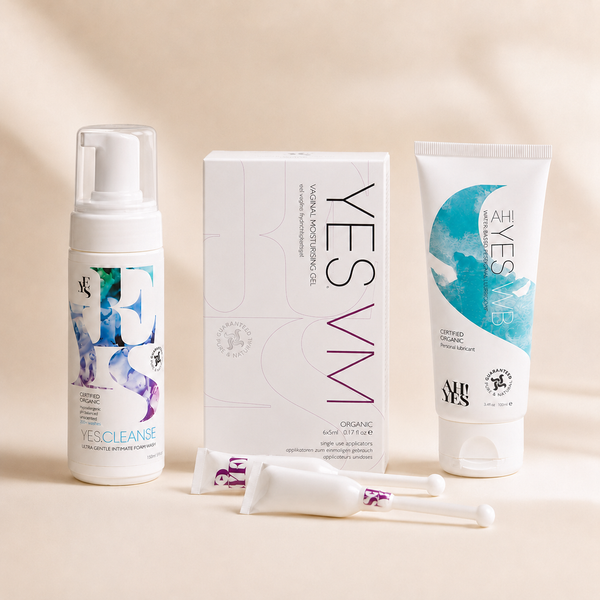
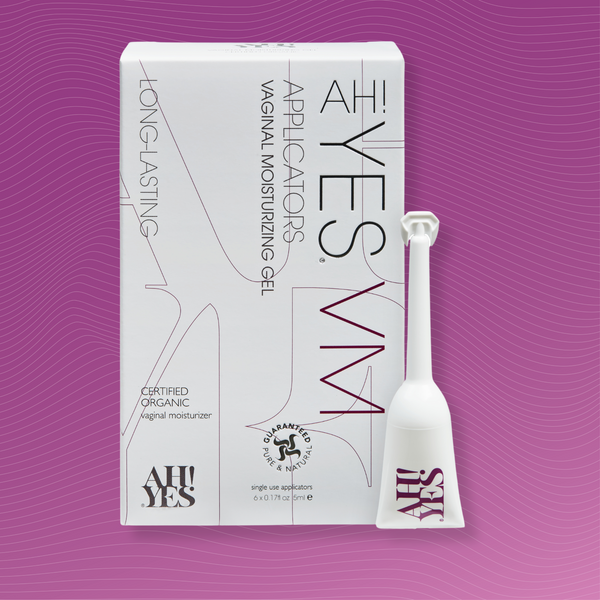
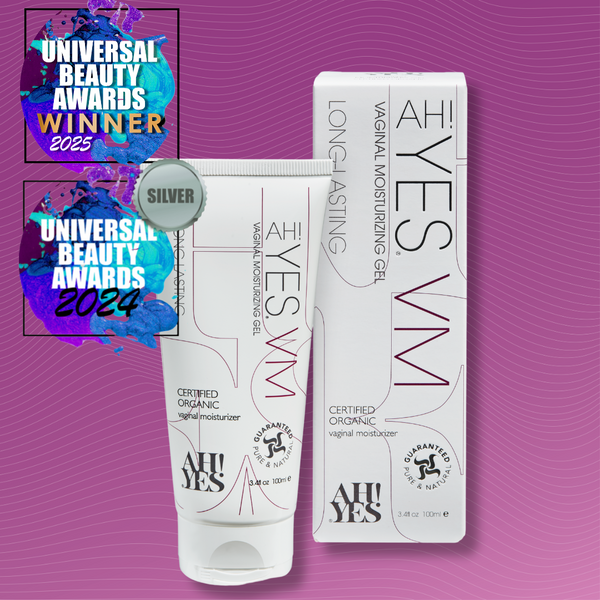
AH! YES® VM Vaginal Moisturizer is a natural, water-based gel designed to relieve dryness and soothe irritation. Unlike many products on the market, it contains 100% organic ingredients, making it gentle, effective, and supportive of your natural pH balance—helping care for your intimate health overall.
It’s a simple addition to your routine—something to keep in your bathroom cabinet whenever you need it.
References:
The North American Menopause Society (NAMS)
Read more about the changes your body goes through during peri menopause and post menopause.


