
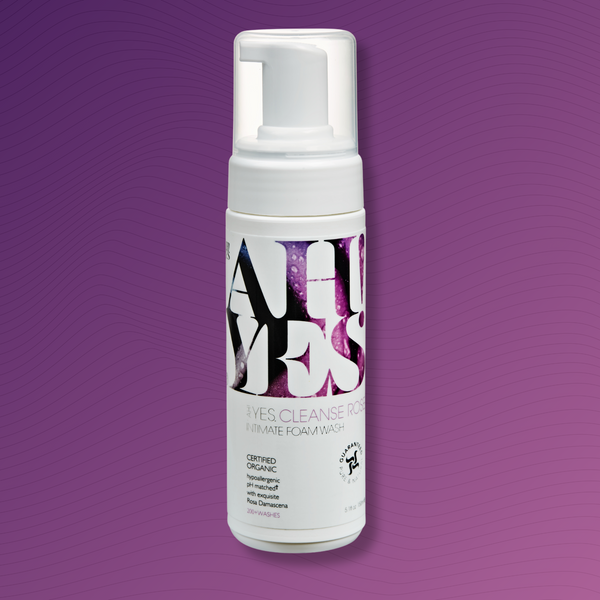

CLEANSE Intimate Wash

Scent::
FREE Shipping* on orders over $40

Have a discount code? Add it in the next step.
4.8/5 based on 1,630 reviews
Dryness is rarely “just” dryness. For many people, it comes with a cluster of other changes, recurrent UTIs, sudden urgency to urinate, burning, and itching. There’s a name for that bigger picture: genitourinary syndrome of menopause (GSM).
Understanding GSM can be reassuring. It explains why symptoms that seem unrelated are often connected, helping you better understand what’s happening and how to find the right support.
In 2014, specialist societies adopted the term genitourinary syndrome of menopause (GSM) to replace older language such as vulvovaginal atrophy and atrophic vaginitis.
The change wasn’t simply about terminology. “Atrophy” can sound frightening and irreversible, whereas GSM describes a recognized, treatable group of symptoms affecting the vagina, vulva, bladder, and urinary tract. It also acknowledges that menopause can affect much more than vaginal dryness alone.
Vaginal: dryness, soreness, irritation, thinning, and reduced lubrication
Urinary: recurrent UTIs, urgency, frequent urination, and burning when urinating
Sexual: pain (dyspareunia), reduced lubrication, and light bleeding with friction
Quality of life: disturbed sleep, discomfort when sitting or exercising, and reduced confidence
Many women are surprised to learn that vaginal dryness, recurrent UTIs, and bladder symptoms are often linked.
During and after menopause, the vaginal environment naturally changes. Moisture levels decrease, and vaginal pH becomes less acidic (more alkaline). At the same time, the number of protective lactobacilli (beneficial bacteria) that help maintain vaginal health also declines.
These changes can make vaginal tissue more vulnerable to irritation and increase the likelihood of recurrent UTIs, burning, urgency, yeast infections, and bacterial vaginosis. Rather than being separate problems, these symptoms are often part of the same picture.
A healthy vagina is naturally slightly acidic. After menopause, vaginal pH becomes more alkaline, making it harder for protective lactobacilli to thrive. This can increase the risk of irritation, recurrent UTIs, yeast infections, and bacterial vaginosis.
Supporting moisture and maintaining a healthy vaginal pH can help protect this delicate environment.
Keeping vaginal tissue hydrated and maintaining a healthy pH helps support comfort every day, not just during intimacy.
As the vaginal environment becomes more alkaline after menopause, it becomes easier for unwanted bacteria and yeast to grow. That’s why choosing a pH-matched, iso-osmotic vaginal moisturizer, lubricant, and gentle intimate wash matters.
Products that are too alkaline can further disrupt the vaginal environment, whereas pH-matched products are designed to work with your body’s natural balance. Using a moisturizer, lubricant, and wash together helps provide consistent support rather than addressing individual symptoms in isolation.
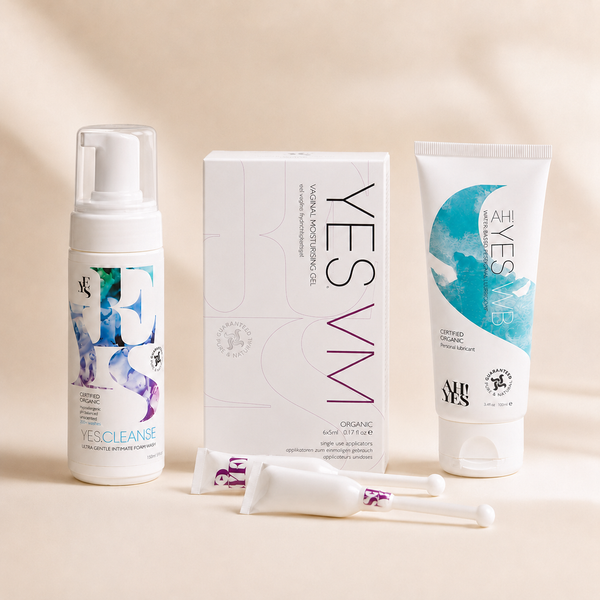
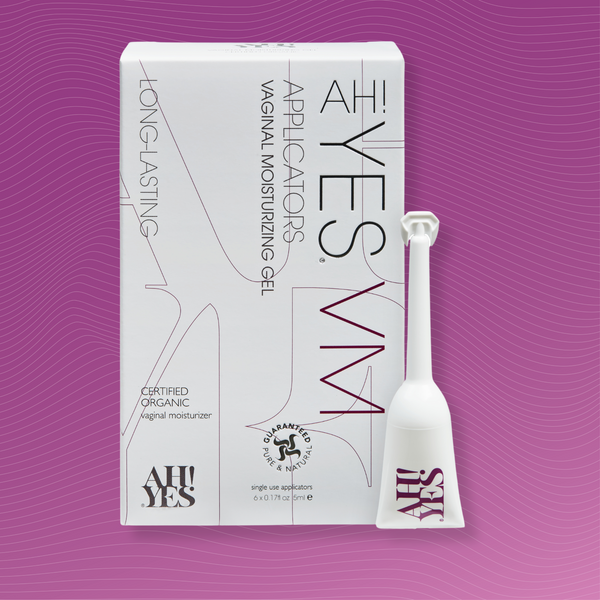
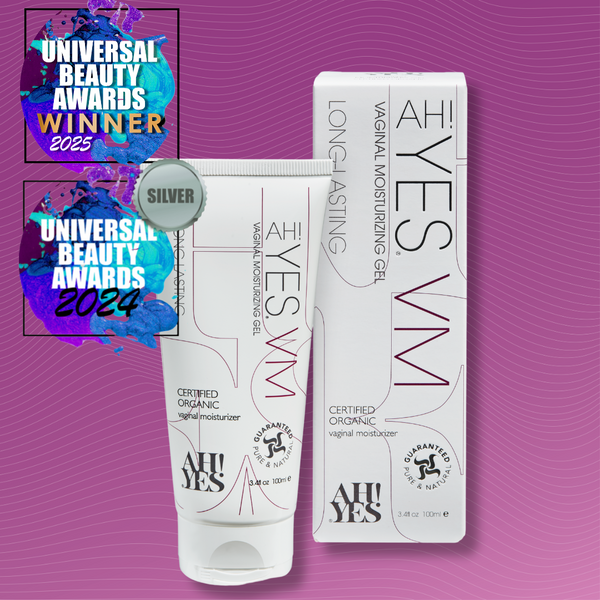
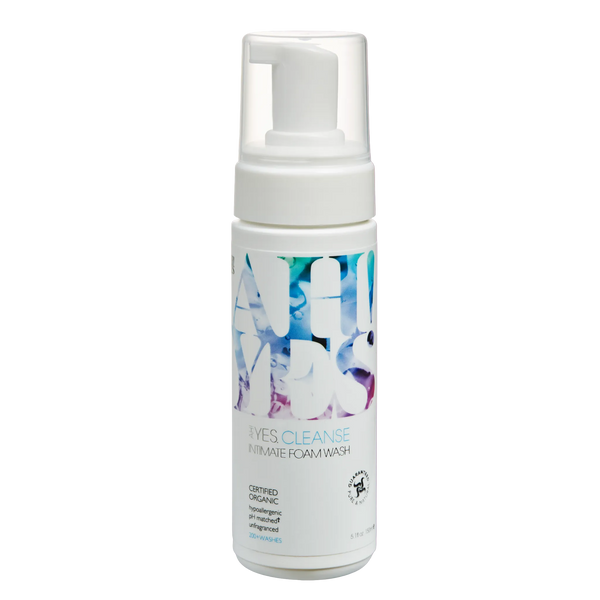
Our AH! YES Vaginal Moisturizer and AH! YES Intimate Foam Wash are designed to help maintain hydration, support a healthy vaginal environment, and provide everyday comfort.
If you have recurrent UTIs, persistent burning, or unusual symptoms, it’s important to speak with your healthcare provider. GSM and infections can overlap, so getting the right diagnosis and treatment is essential.
Read more about the changes your body goes through during peri menopause and post menopause.


