
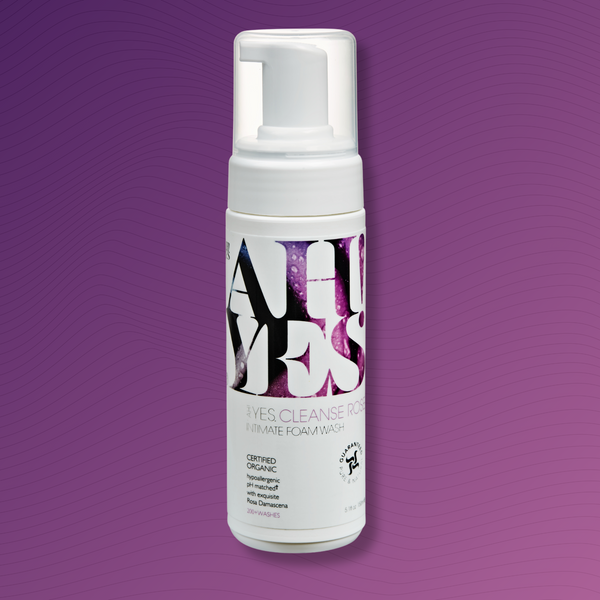

CLEANSE Intimate Wash

Scent::
FREE Shipping* on orders over $50

Have a discount code? Add it in the next step.
4.8/5 based on 1,630 reviews
When estrogen starts to drop, it can affect almost every part of your life—your sleep, mood, bladder, brain, skin and, yes, how your vagina and vulva feel day to day. Women in our community talk about feeling like a stranger in their own body long before anyone mentions the word “menopause,” which can be frightening when you don’t have a name for what’s changing.
This guide walks you through what low estrogen can look like, why it’s happening, and how to manage the hormone drop with gentle, science‑backed support—including products specifically designed to help you feel normal again down there.
Estrogen is made mostly in the ovaries, and it’s involved in far more than cycles and fertility.
It helps to:
When estrogen drops, it’s no surprise that life can feel “off” in several places at once.
There’s no single timeline, but common triggers include:
Whatever the cause, the impact is real—and most importantly, manageable.
Everyone’s experience is slightly different, but there are clear patterns our community shares again and again.
1. Vaginal Dryness and Burning
Dryness is often the first whisper of low estrogen.
You might notice:
This is about tissue health, not “trying harder.” Addressing moisture and atrophy early can transform daily comfort and intimacy.
2. Painful Sex and Quiet Avoidance
When the tissue around the vaginal opening gets thinner and less cushioned, penetration can feel like stinging, tearing, or a deep ache.
Women often:
This isn’t a willpower issue; it’s a hormone issue—with practical solutions.
3. Bladder Changes and Repeat UTIs
Low estrogen affects the urethra and bladder lining as well as the vagina.
Common complaints include:
Many women are surprised to learn that supporting vaginal tissue and pH can also help protect bladder comfort.
4. Sleep Disturbances and 3 a.m. Wide‑Awake Moments
Insomnia and early‑morning waking come up constantly in hormone conversations.
Typical patterns:
Poor sleep then worsens mood, focus, and pain—a spiral many women find hard to break.
5. Mood Swings, Rage, and Anxiety Out of Nowhere
Emotional symptoms are some of the most distressing—and most dismissed.
Women describe:
You’re not “too sensitive”; your nervous system is reacting to a genuine hormonal shift.
6. Brain Fog and “Dory from Finding Nemo” Moments
Low estrogen can affect memory and cognitive function.
Common experiences:
This can be frightening, but in most cases, it’s hormonal brain fog—not early dementia. Still, mention any concerns to your doctor for reassurance.
7. Aching Joints, Skin Changes, and Feeling “Older Overnight”
As estrogen drops, many women report:
These changes are valid and often underrecognized as hormone‑linked.
You shouldn’t have to white‑knuckle your way through low estrogen. A mix of medical options, lifestyle support, and targeted intimate care can help you feel more like yourself again.
1. Talk to Someone Who Understands Hormones
If symptoms are affecting your daily life, make an appointment with a GP, gynecologist, or menopause‑specialist clinic.
Take a simple symptom list that covers:
Ask specifically about:
You’re entitled to a second opinion if you don’t feel heard.
2. Support Your Nervous System (and Sleep)
While exploring medical options, small changes can reduce the overall “load” on your body:
These won’t fix every symptom, but they give your brain and body a calmer baseline.
3. Protect Your Vagina, Vulva, and Bladder
This is where gentle, well‑designed products can do a lot of heavy lifting day to day.
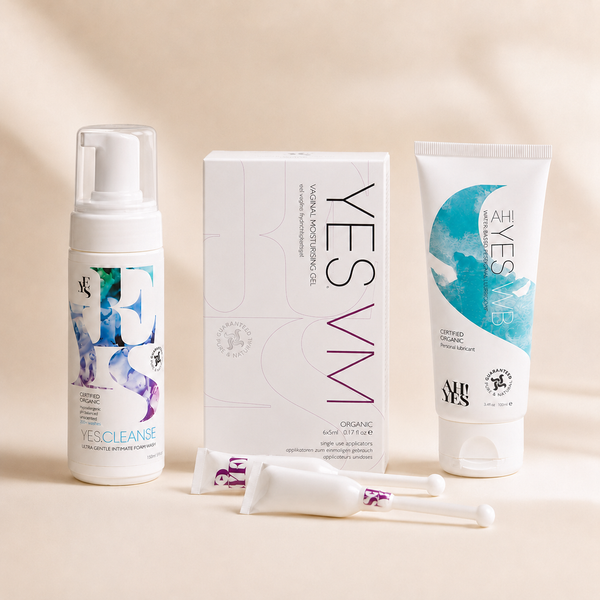
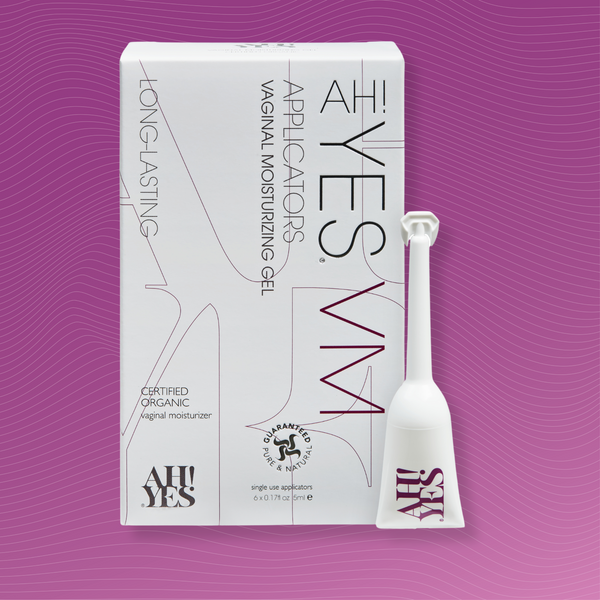
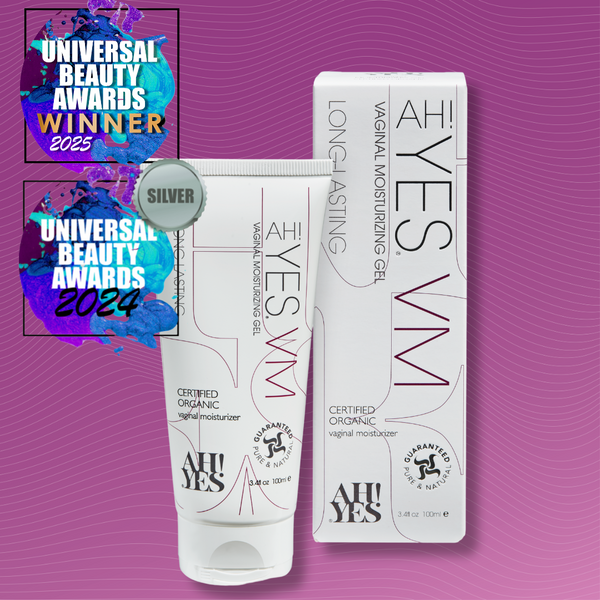
Rebuild Moisture with AH! YES VM
AH! YES VM Vaginal Moisturizer is designed specifically for low‑estrogen dryness and atrophy:
Applied regularly (for example, every 2–3 days), it can make clothes, sitting, and moving feel comfortable again.
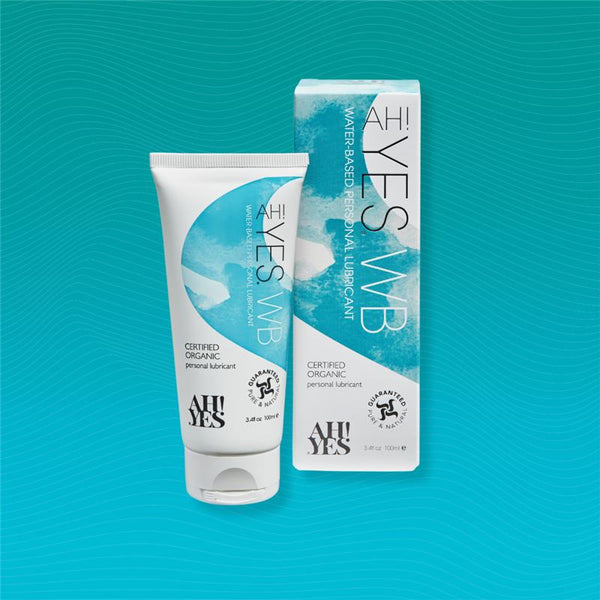
Make Sex Comfortable Again with AH! YES WB and AH! YES OB/COCO
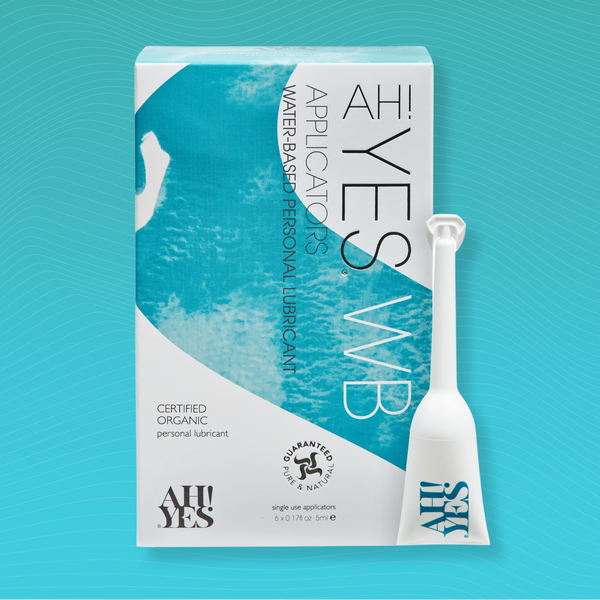
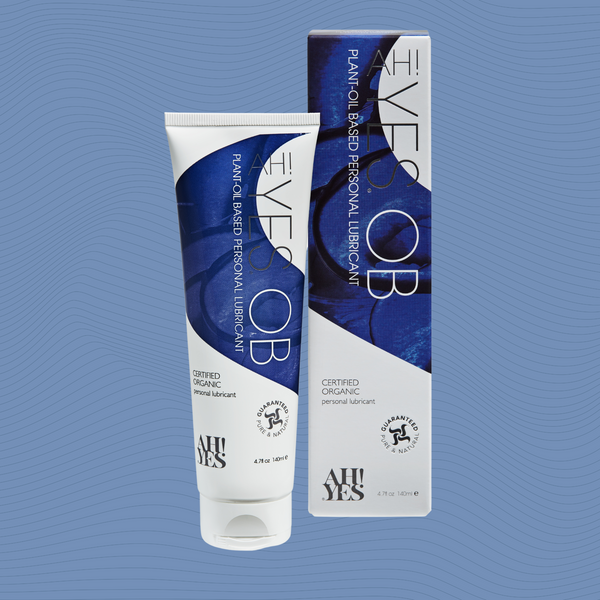
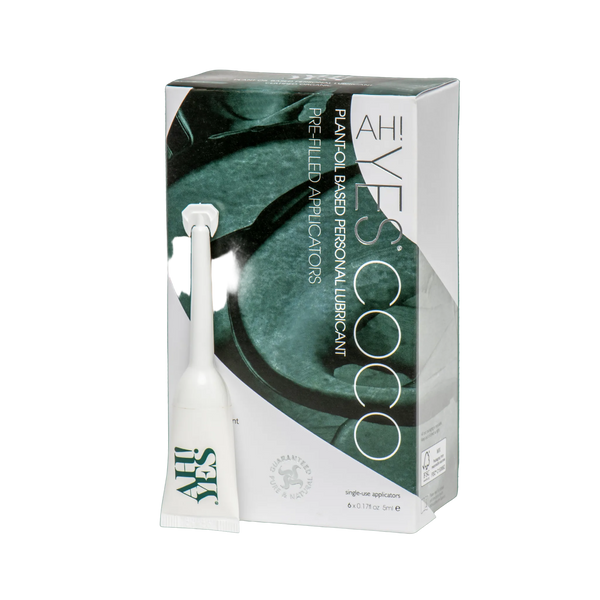
For intimacy, comfort is non‑negotiable. AH! YES lubricants are formulated to work with sensitive, low‑estrogen tissue:
Many women like a “double glide”: AH! YES WB internally plus AH! YES OB or COCO externally for both deep comfort and vulvar protection.
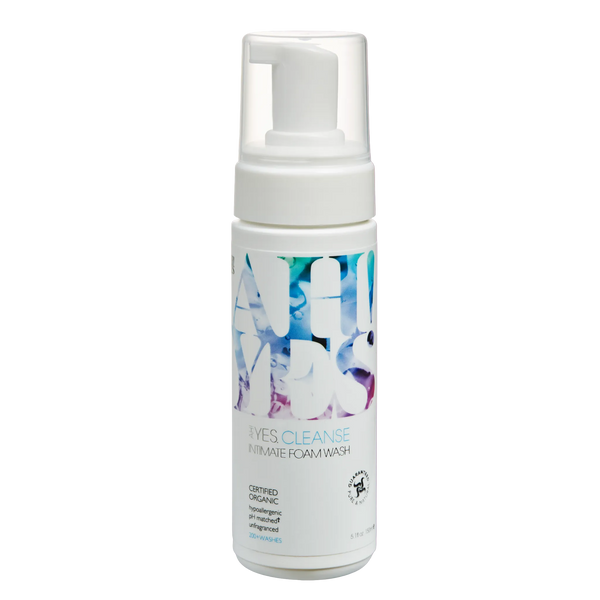
Keep the Microbiome Happy with AH! YES Cleanse
Bladder and vaginal symptoms are often linked through pH and bacterial changes.
4. Be Kind to Your Relationships and to Yourself
Low estrogen doesn’t just change your body; it changes how you feel about yourself, your desire, and your tolerance for other people’s nonsense.
You’re allowed to want intimacy that feels easy—the kind you don’t have to plan a speech around.
If you want somewhere concrete to start:
When choosing any intimate product, check the label and look for pH‑matched, glycerin‑free, paraben‑free, and certified organic formulations that are doctor‑recommended (FDA-approved).
Low estrogen may be part of your story—but with the right information, medical support, and truly body‑kind products, it doesn’t have to dictate the rest of it. You deserve to feel like yourself again—in your skin, your vagina, and your life.

 Back in stock
 Hydrating
 Best seller
Read more about the changes your body goes through during peri menopause and post menopause.


