
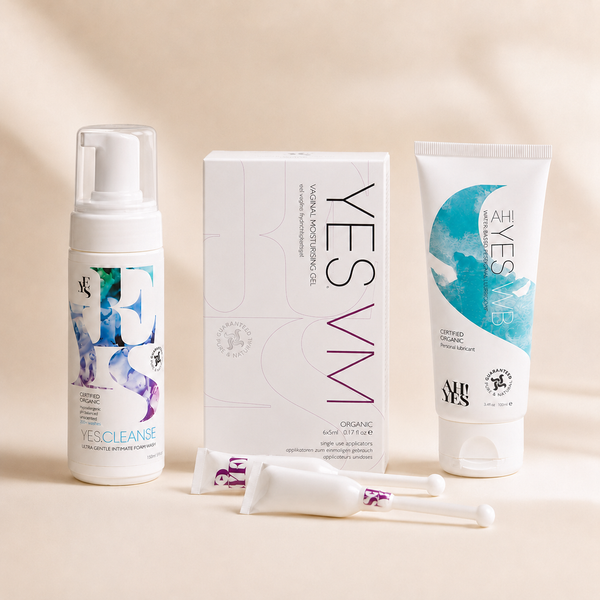
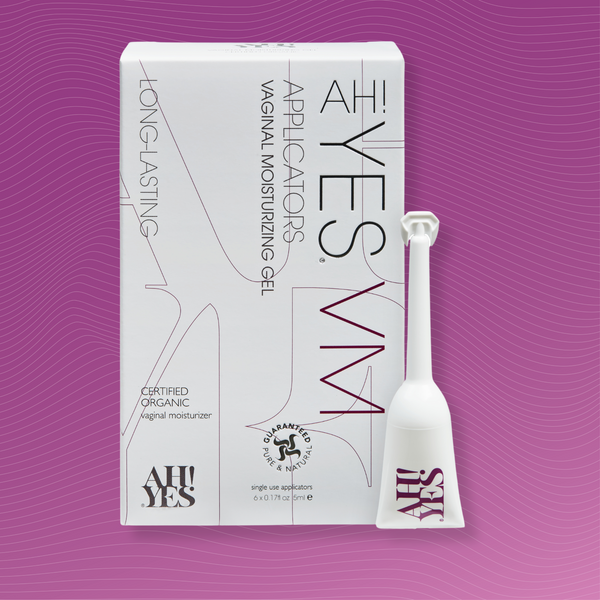
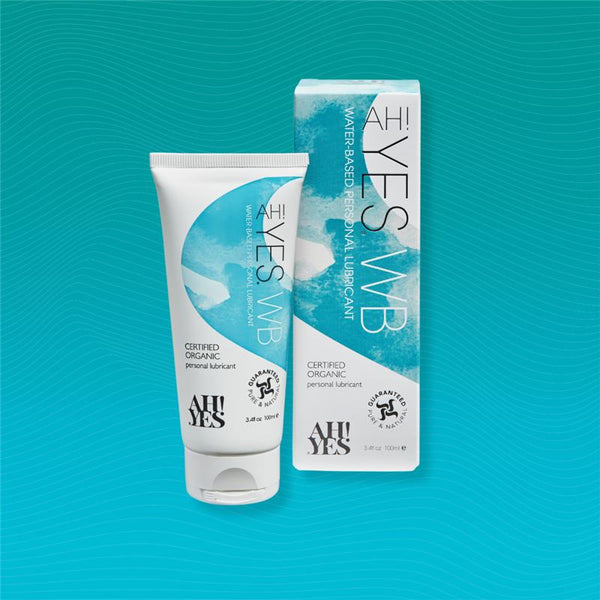
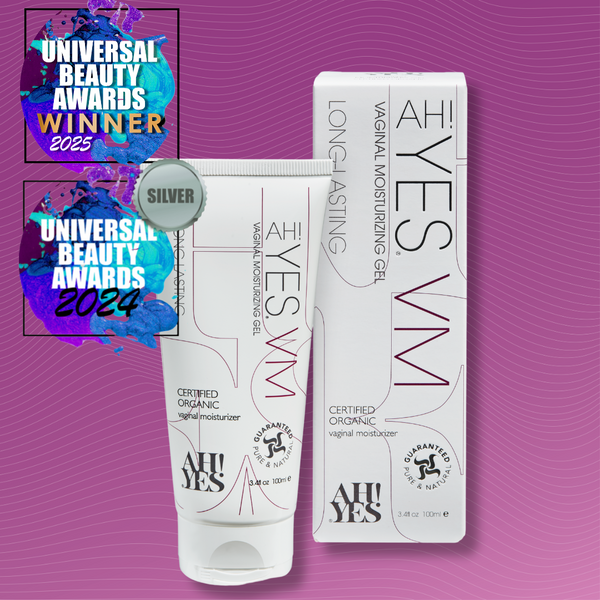
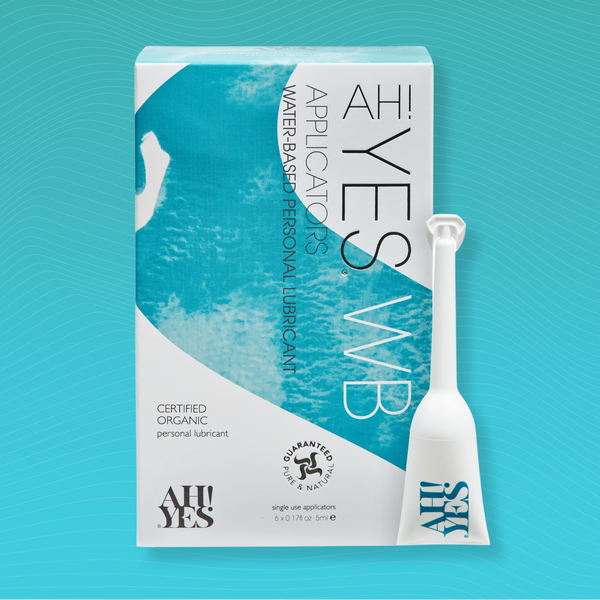
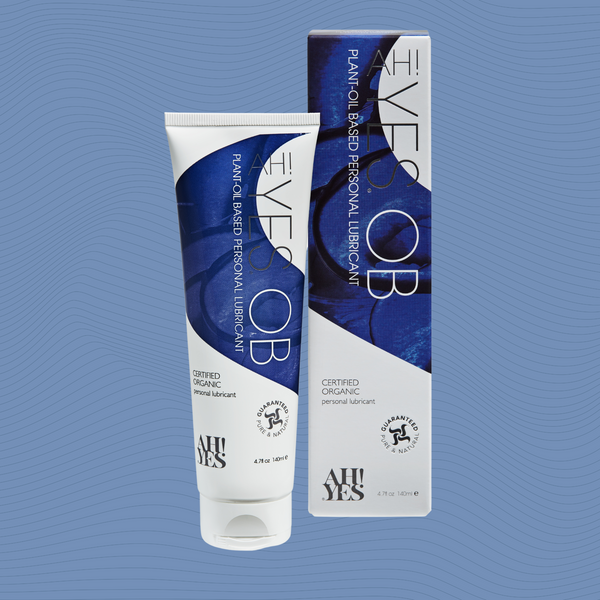
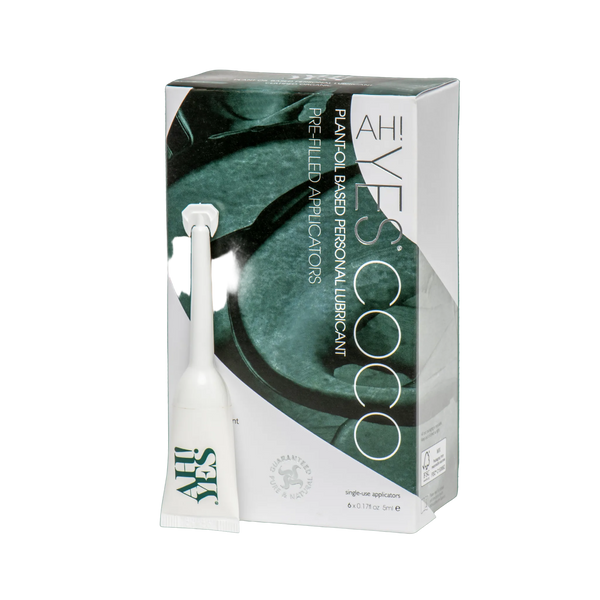
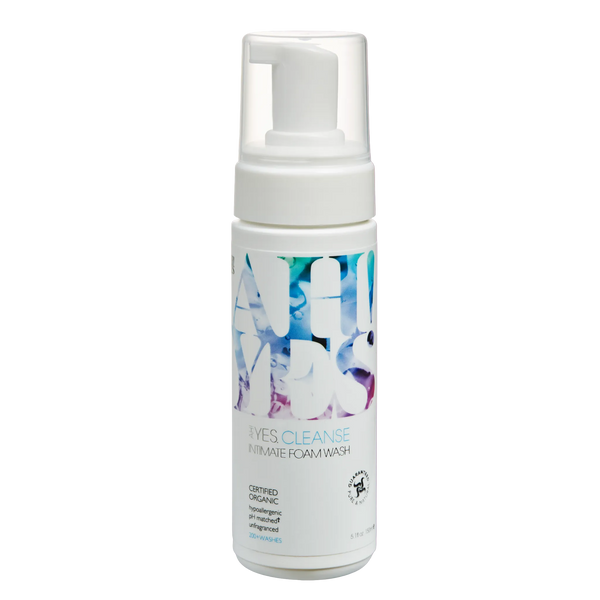
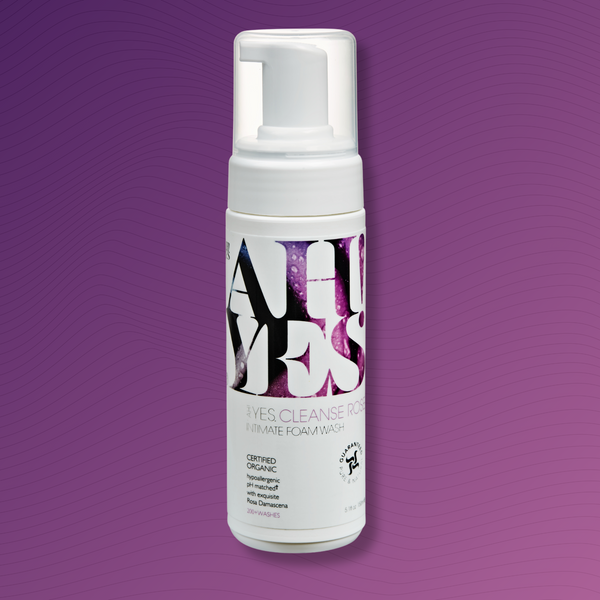

CLEANSE Intimate Wash

Scent::
FREE Shipping* on orders over $50

Have a discount code? Add it in the next step.
4.8/5 based on 1,630 reviews
Chafing, tight clothes, and crotch sweat are a recipe for intimate chaos if ever there was one. If you love running, spin, or reformer, you’ve probably felt it: you finish your workout, take off your leggings, and your vulva feels hot, sore, or just “not quite right.”
But irritation, dryness, or discomfort after exercising is completely normal. Tight clothing, trapped moisture, and the products we use afterward can all influence the delicate balance of the vulval and vaginal area.
Although often talked about as one, the vulva (external) and vagina (internal) are very different environments.
Both are self-regulating, but they rely on that balance being left undisturbed.
When something interferes with this (like sweat, friction, or harsh products), it can lead to discomfort, dryness, or changes in your natural microbiome.
Sweat itself isn’t the problem; it’s a natural and important function.
The issue comes when sweat becomes trapped.
During workouts, especially in tight or synthetic fabrics like leggings, moisture can sit close to the skin for extended periods. This creates a warm, damp environment where:
Over time, this can lead to irritation, itching, or a feeling of dryness — even though moisture is present.
It’s not about “cleanliness,” it’s about balance.
Not all workout clothing behaves the same way.
Highly occlusive or non-breathable fabrics can trap heat and moisture, while tight seams or prolonged wear can increase friction against delicate skin.
What to look for:
Even small changes here can significantly reduce post-workout discomfort.
When something feels “off,” it’s tempting to reach for stronger cleansing products.
But this is where things often get worse.
Many conventional “feminine hygiene” products:
This can create a cycle where the more you cleanse, the more irritated or imbalanced things feel.
After exercise, the goal isn’t to over-cleanse — it’s to gently restore balance.
A simple routine can go a long way:
1. Change promptly
Aim to change out of damp workout clothes as soon as you can. Sitting in moisture for prolonged periods increases the chance of irritation.
2. Rinse or wash gently
Use lukewarm water and, if needed, a gentle wash designed specifically for intimate use.
3. Avoid over-washing
Cleansing once is enough; repeated washing can strip the skin and disrupt your natural environment.
4. Choose the right formula
Look for a wash that is:
This helps cleanse without interfering with your body’s natural balance.
AH! YES CLEANSE Intimate Wash is designed to do exactly that. This pH-matched, ultra-gentle formula cleanses the vulva without stripping or disrupting its natural balance, helping to remove odor-causing bacteria while supporting the skin’s protective barrier — so you feel fresh, comfortable, and cared for after every workout.
Read more about the changes your body goes through during peri menopause and post menopause.


