
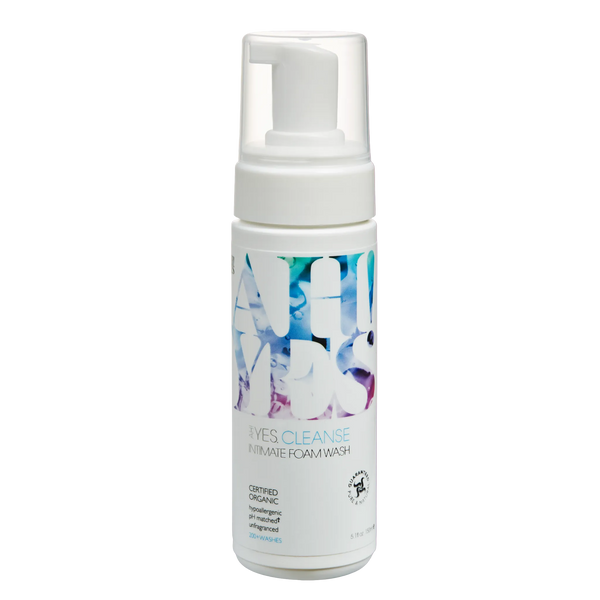
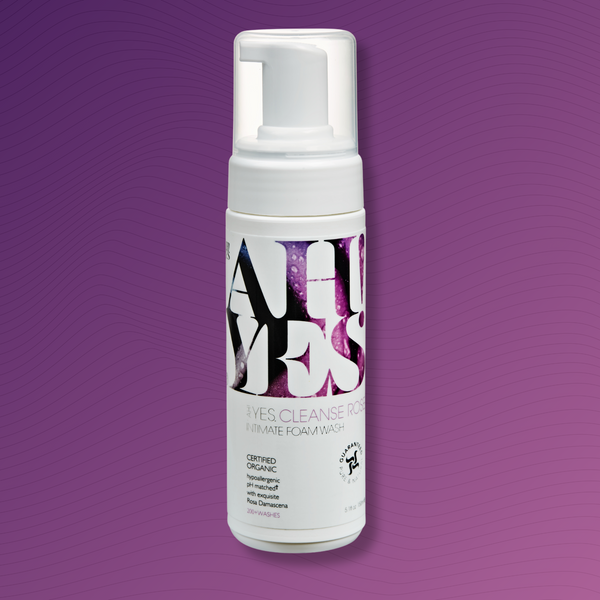

CLEANSE Intimate Wash

Scent::
FREE Shipping* on orders over $50

Have a discount code? Add it in the next step.
4.8/5 based on 1,630 reviews
There has been growing awareness in recent years around the ingredients used in beauty, health, and intimate care products, and with it, a surge in demand for natural and organic alternatives. But with this rise has also come confusion. Terms like “natural,” “clean,” and “organic” are often used loosely, leaving many people unsure what they’re really putting on (and in) their bodies.
This is where “greenwashing” comes in, brands making claims that sound reassuring but aren’t backed by certification or science. And when it comes to intimate health, this lack of clarity matters even more. Vaginal and vulvar tissues are highly absorbent and sensitive, meaning ingredients can have a very different impact compared to standard skincare.
When a product is applied to the body externally, many of its ingredients can be absorbed through the skin. In fact, some estimates suggest that up to 60% of what is applied to the skin can enter the bloodstream. Mucosal membranes (including the vagina and penis) are particularly delicate, making it even more important to consider the products and ingredients used in intimate areas.
At AH! YES, we believe women deserve transparency and confidence in what they use. Not all ingredients are created equal, especially when it comes to products designed for internal use, left-on application, or regular, long-term use. So here are three commonly used ingredients in intimate products that are worth understanding more closely.
You’ve likely heard of parabens, but what are they actually doing in your products? First widely used in the 1950s, parabens are preservatives that help prevent the growth of bacteria and mold, extending shelf life. While regulatory bodies consider them safe in certain concentrations, concerns have been raised around their potential to mimic estrogen in the body.
The science is still debated, but for many, especially those navigating hormonal changes like menopause, it’s a question of caution and comfort. That’s why AH! YES products are formulated without parabens, using alternative preservation systems that support both safety and efficacy.
Often seen as a “hydrating hero” in skincare, glycerin behaves very differently in intimate products. In high concentrations, glycerin can create a hyperosmotic environment, drawing moisture out of delicate vaginal tissues rather than supporting them. This can lead to irritation or dryness over time.
There’s also evidence that glycerin can act as a food source for yeast, which may contribute to recurring thrush for some women. For intimate products, formulation matters. That’s why AH! YES products are iso-osmotic, meaning they match the body’s natural hydration levels and won’t disrupt or damage sensitive tissues.
Silicone-based lubricants are often praised for their long-lasting glide, but they work by forming a coating over the skin. While this can reduce friction, it doesn’t support the skin’s natural function or hydration.
For some, this barrier effect can trap bacteria or feel difficult to wash away, particularly with frequent use. Silicone is also not compatible with all sex toys and may not suit those with sensitive skin. At AH! YES, we take a different approach, prioritizing formulations that work with the body, not just on top of it.
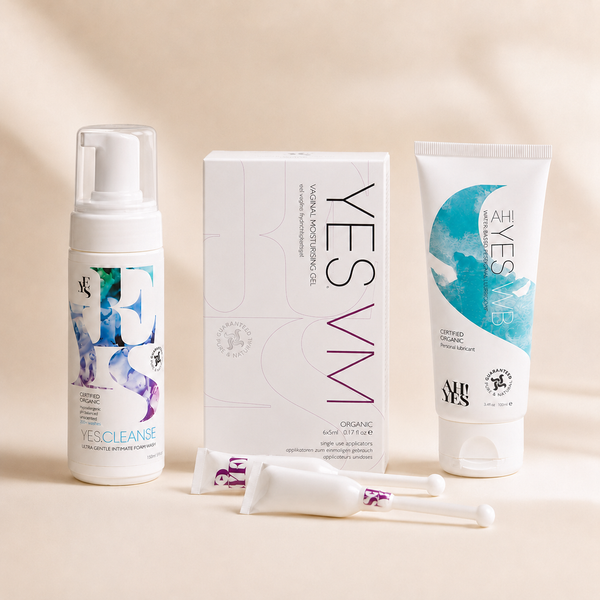
Since 2006, AH! YES has been committed to creating certified organic, science-led intimate products that respect the body’s natural balance. Our formulations are pH-matched, hormone-free, and designed to be gentle enough for even the most sensitive tissues, without unnecessary additives or harsh chemicals.
But beyond ingredients, what matters most is how products make women feel. For many, intimate discomfort, whether linked to menopause, postpartum changes, or everyday dryness, can have a real impact on confidence and quality of life.
Choosing the right product isn’t just about avoiding certain ingredients; it’s about supporting your body in a way that feels safe, comfortable, and effective.
If there’s one thing to take away, it’s this: your intimate health deserves the same level of care, attention, and understanding as the rest of your body. Always check the label, question the claims, and choose products backed by both science and integrity.
Read more about the changes your body goes through during peri menopause and post menopause.


