


CLEANSE Intimate Wash

Scent::
FREE Shipping* on orders over $50

Have a discount code? Add it in the next step.
4.8/5 based on 1,630 reviews
From work and family to fitness and self-care, there’s a lot to think about each day. It’s no surprise that most of us seem to be busier than ever. No matter how busy you are, it’s important to stay on top of your personal hygiene routine — including taking care of your intimate health.
Although the vagina does a pretty good job of looking after itself, there are still steps you can take to give your intimate area the best possible care. Neglecting this can sometimes lead to unpleasant symptoms such as itching, odor, pain after sex, burning, or abnormal bleeding.
If you experience any of these symptoms, it’s important to speak to your doctor or another healthcare professional so they can help identify the cause.
Here are our top tips for looking after your intimate area — and what to avoid.
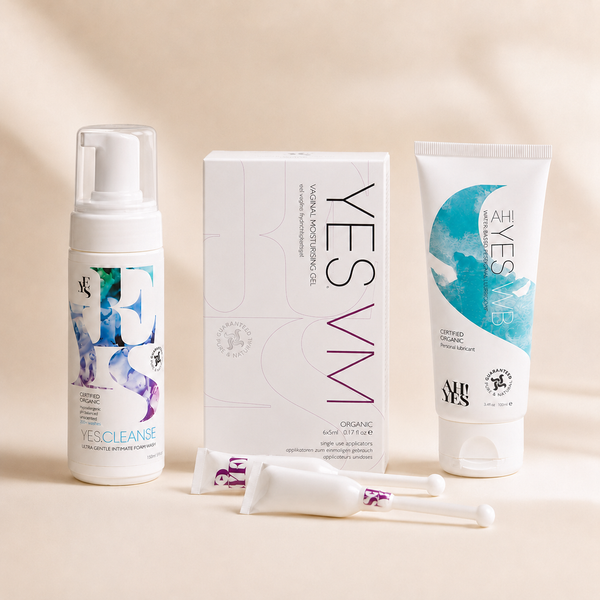
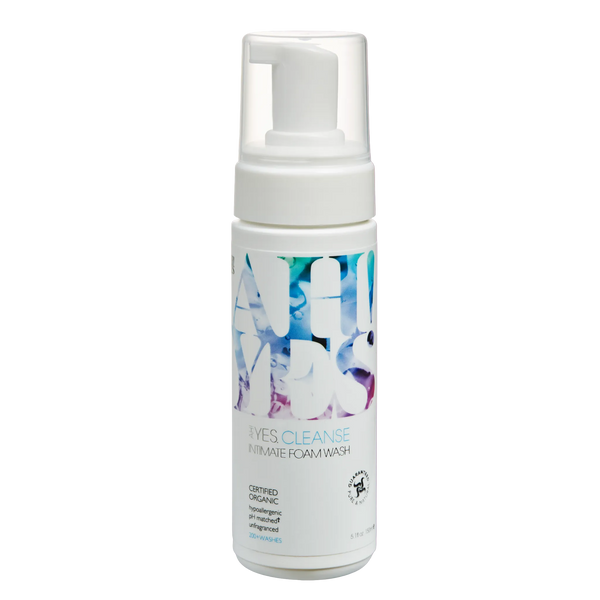
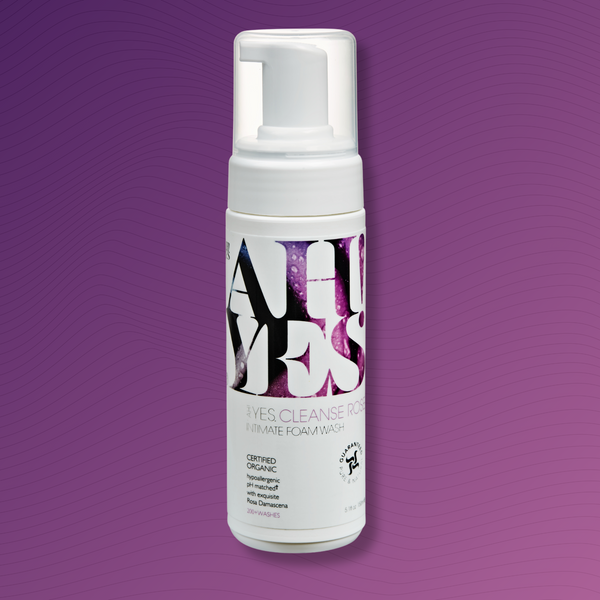
When it comes to caring for your intimate area, what you wash with matters. A gentle cleanser formulated specifically for the vulva can help cleanse without disrupting your natural pH balance or using harsh chemicals, making it a great alternative to soap if you prefer to use more than water.
While daily washing is encouraged, doctors and healthcare professionals do not recommend douching as part of your intimate care routine.
Why? Douching can disrupt the natural balance of your vagina and the beneficial bacteria that live there.
If you choose to wash your intimate area, opt for a gentle, pH-balanced cleanser designed for external use only. This helps support vulvar comfort and hygiene without disrupting your natural balance.
Look for products that are specifically developed for intimate care — and remember to keep them away from internal areas.
Many experts agree that one key to maintaining vaginal health is choosing breathable fabrics like cotton instead of tight or restrictive clothing.
Tight clothes can reduce air circulation and increase sweating, which can feel uncomfortable. Excess moisture creates an environment where bacteria and yeast can thrive, so it’s best to avoid tight or non-breathable clothing — like synthetic fabrics, leather pants, or wet swimsuits — for extended periods.
Did you know that what you drink can affect vaginal health? Drinking a lot of sugary beverages can influence bacterial balance, and dehydration can also contribute to discomfort. Aim to drink plenty of water throughout the day to support overall hydration.
According to gynecologists, one of the most important things you can do after sex is urinate. This is especially important if you’re prone to urinary tract infections (UTIs), as it helps flush out bacteria from the urethra.
It also goes without saying that practicing safe sex is key to protecting your intimate health. Unprotected sex increases the risk of sexually transmitted infections (STIs) such as chlamydia, gonorrhea, genital warts, and syphilis, and may also increase the likelihood of vaginal infections.
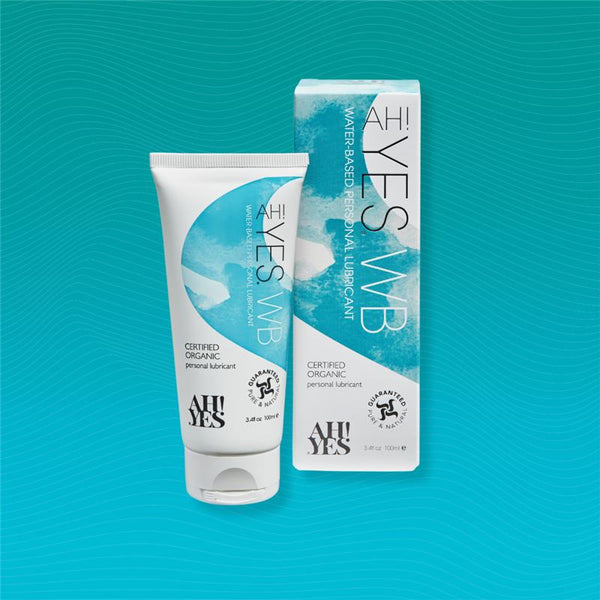
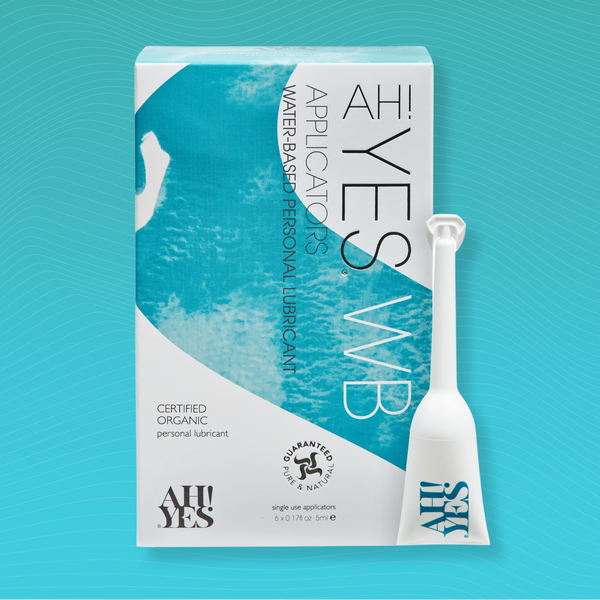
There are plenty of vagina-friendly intimate products — including lubricants and condoms — designed to support comfort while helping you practice safe sex.
During menopause, many women experience increased vaginal dryness. This is completely normal and nothing to feel embarrassed about.
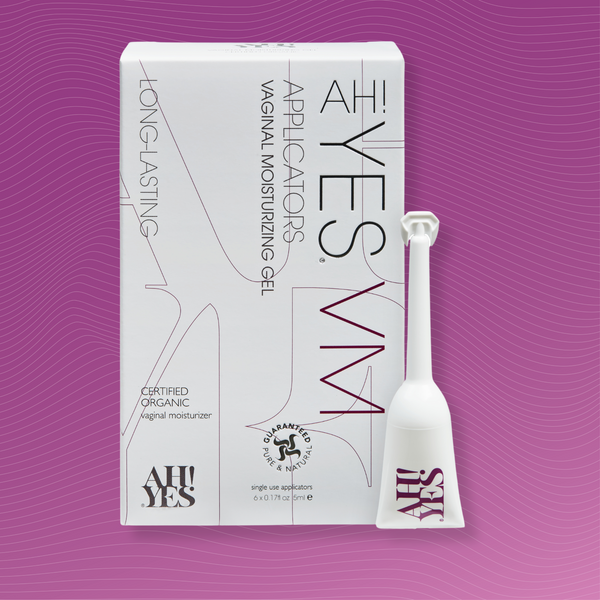
Using a vaginal moisturizer can help provide ongoing hydration and soothe symptoms commonly associated with dryness, such as itching and burning. Regular use can help support comfort and restore moisture balance over time.
If you want to feel fresh while you’re out and about, gentle, pH-balanced intimate wipes can help support comfort and confidence. They’re designed for external use only and shouldn’t replace a healthy vaginal care routine — but they can be helpful when you need a quick refresh.
Always wipe from front to back. Wiping back to front can transfer bacteria from the rectal area to the vagina or urethra, increasing the risk of infections and painful UTIs.
If anything feels or looks different from what’s normal for you, don’t ignore it. Seeking advice from a healthcare professional can help you address concerns early and protect your long-term intimate health.
References:
Read more about the changes your body goes through during peri menopause and post menopause.


