
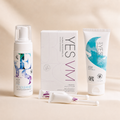
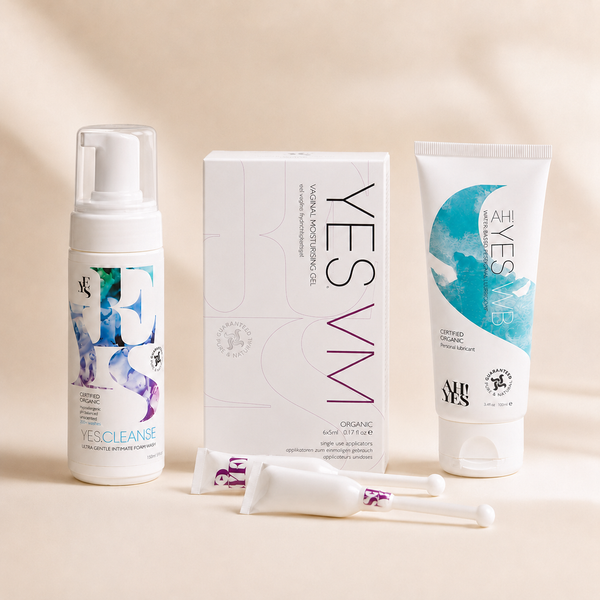
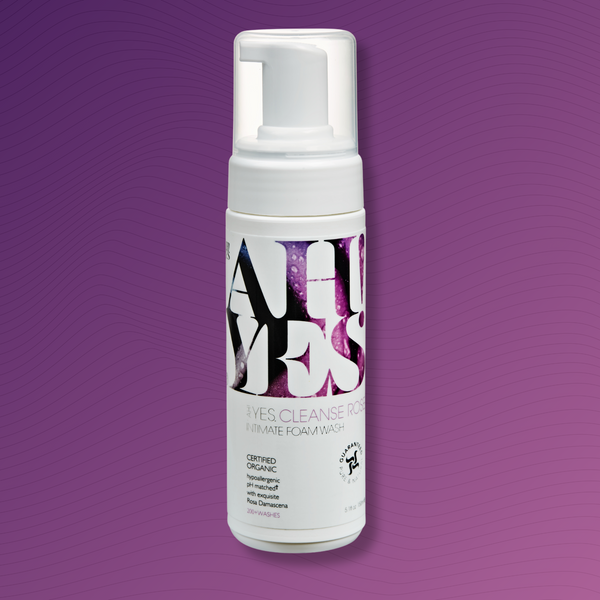

CLEANSE Intimate Wash

Scent:
FREE Shipping* on orders over $50

Have a discount code? Add it in the next step.
4.8/5 based on 1,630 reviews
For many women, menopause doesn’t arrive with a single defining moment. Instead, it shows up quietly — as dryness, discomfort, irritation, or pain during sex — leaving women wondering:
If you’ve asked any of these questions, you’re not alone.
Thousands of women describe the same experience: changes in vaginal comfort that feel confusing, distressing, and often under-explained. This article explains what vaginal atrophy (also called Genitourinary Syndrome of Menopause) actually is, what it feels like, why it happens, and the evidence-based ways to manage it.
Vaginal atrophy — sometimes called atrophic vaginitis or part of Genitourinary Syndrome of Menopause (GSM) — occurs when falling estrogen levels cause the vaginal walls and surrounding tissues to become thinner, drier, and more easily inflamed.
This can happen:
Because estrogen also supports the bladder and urethra, symptoms often affect urinary comfort as well as the vagina.
Estrogen plays a key role in keeping vaginal tissue:
As estrogen declines during perimenopause and menopause, these tissues gradually change.
One of the most repeated themes in menopause communities is uncertainty — many women don’t recognize the symptoms at first.
Common descriptions include:
Dryness and tightness
The vagina may feel less “plump” and more fragile, with reduced natural lubrication and a sensation of tightness or shortening.
Burning, stinging, itching, or soreness
Because the tissue is thinner and more sensitive, everyday activities — exercise, tight clothing, or even wiping after using the bathroom — can cause discomfort.
Pain with sex (or even pelvic exams)
Penetration may feel like friction, rawness, or “two sheets of sandpaper rubbing together,” sometimes followed by spotting or light bleeding.
More urinary symptoms
Because the urethra is also estrogen-sensitive, some women notice burning with urination, urgency, or more frequent urinary tract infections.
Emotionally, these changes can feel frightening, aging, and isolating — especially when no one has explained what’s happening or how treatable it is.
One community member shared: “It felt like my skin had suddenly become paper-thin. Sex went from uncomfortable to impossible, and I had no idea why.”
Another wrote: “I thought I just wasn’t aroused enough. Turns out my body physically couldn’t lubricate the way it used to.”
These sensations reflect physical tissue changes, not a lack of desire, effort, or mindset.
“Is this normal, or is something wrong with me?”
More than 50% of postmenopausal women experience symptoms of GSM, yet many never receive a diagnosis or treatment.
If you recognize yourself in the symptoms above, you are not alone — and you are not overreacting. Vaginal atrophy is a well-recognized medical condition with clear treatment options.
“Will sex always hurt now?”
No. Painful sex is a sign that vaginal tissues are dry and unprotected — not that intimacy is over. With the right support, many women return to comfortable, pleasurable sex.
Clinical guidance often recommends:
“Is it dangerous if I ignore it?”
Vaginal atrophy isn’t dangerous in the way cancer is, but untreated dryness and thinning can lead to:
All of these can significantly impact quality of life. Addressing symptoms early helps protect both vaginal and urinary health long-term.
“Do I have to use hormones?”
Not necessarily.
Non-hormonal options like vaginal moisturizers and lubricants are often recommended as first-line treatment and can make a meaningful difference on their own.
If symptoms persist, local vaginal estrogen may be added by your healthcare provider. It acts mainly where applied and has very low systemic absorption, which makes it suitable for many women who cannot or prefer not to take systemic hormones.
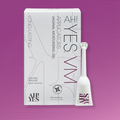
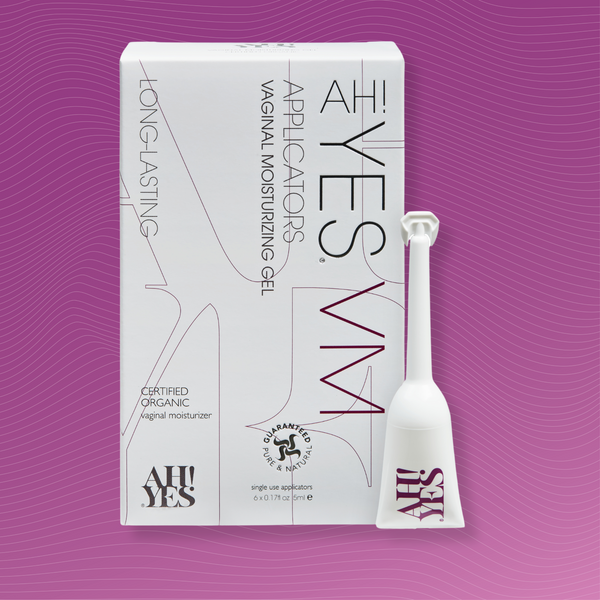
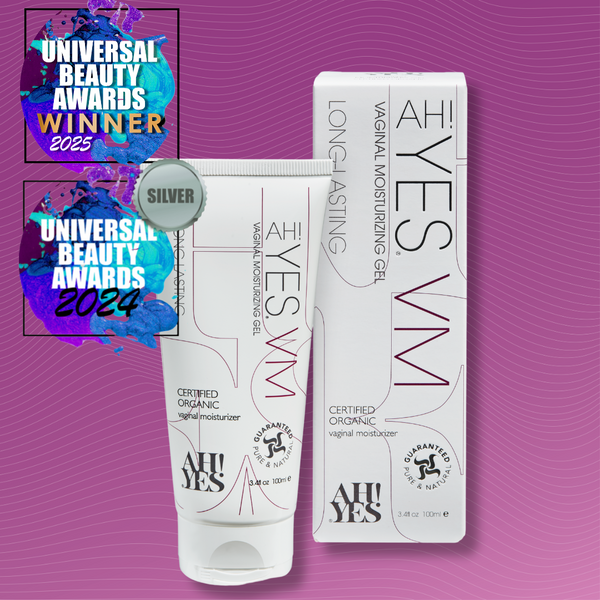
Everyday comfort: AH! YES VM vaginal moisturizer
AH! YES VM is a water-based vaginal moisturizer formulated with bio-adhesive plant polymers that coat the vaginal walls and slowly release water into dry tissue. This provides long-lasting hydration for up to 1–3 days after application.
It is:
This makes it suitable for sensitive, atrophic tissue and for women navigating menopause, post-cancer treatment, or other low-estrogen states.
How this often feels in real life:
As tissues rehydrate, many women notice that burning, itching, and that fragile sensation gradually ease. Because AH! YES VM is slow-release, it can become part of a simple routine — often used daily at first, then every 2–3 days as comfort improves (always following product instructions and clinician advice).
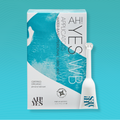
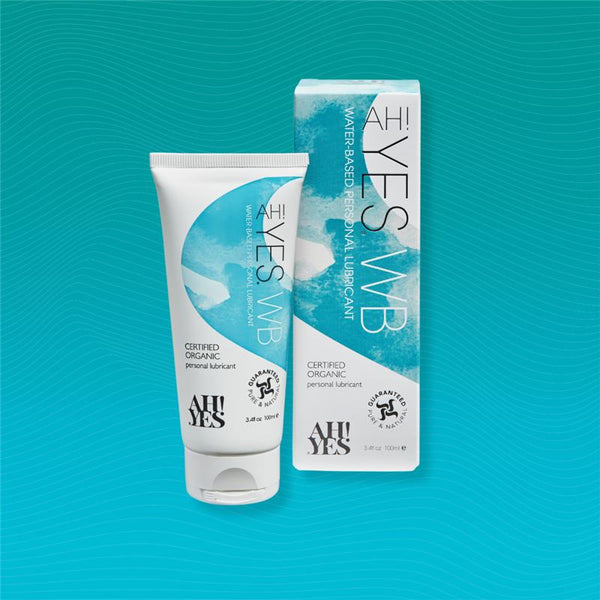
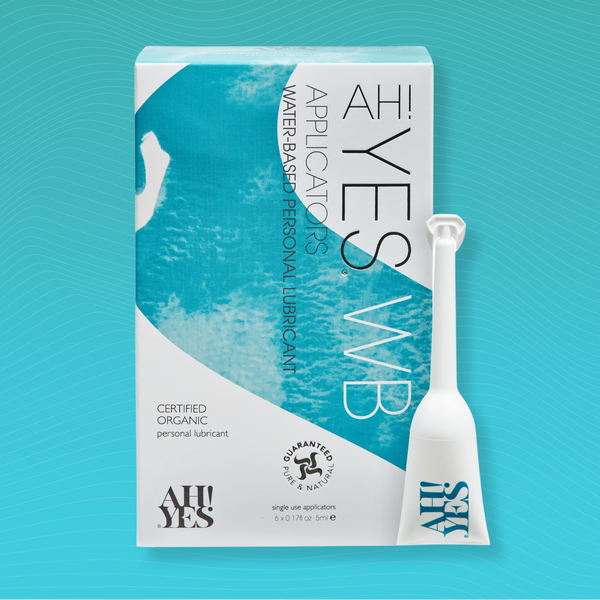
For sex and sudden dryness: AH! YES WB water-based lubricant
AH! YES WB is a water-based, pH-balanced lubricant designed to release moisture quickly, providing immediate, silky lubrication when needed.
It is:
This helps reduce irritation in already sensitive tissue and supports more comfortable intimacy, pelvic exams, or medical procedures.
Using them together
Think of YES VM as your baseline support for everyday vaginal health, and YES WB as your on-demand comfort for sex or penetration.
This moisturizer-plus-lubricant approach mirrors clinical guidance:
Talk to a healthcare professional
If dryness, pain, bleeding, or urinary symptoms persist, speak with your primary care provider, menopause specialist, or gynecologist to rule out other causes and discuss additional treatments if needed
Build a supportive at-home routine
Be gentle with your vulva
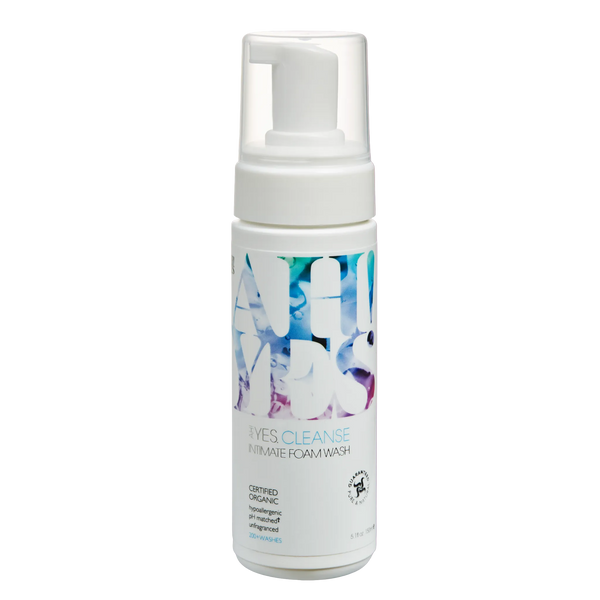
Avoid fragranced washes, harsh soaps, and douches. Warm water and gentle, pH-appropriate products are usually enough.
Support blood flow and flexibility
If sex feels right for you, comfortable sexual activity (including self-stimulation) can help maintain tissue elasticity. If it doesn’t, focus first on comfort, moisturization, and medical support.
Sources
The Menopause Charity – Vaginal dryness
https://themenopausecharity.org/information-and-support/symptoms/vaginal-dryness/
NCBI – Genitourinary Syndrome of Menopause
https://www.ncbi.nlm.nih.gov/books/NBK559297/
NICE Menopause Guidance (NG23)
https://www.nice.org.uk/guidance/ng23/chapter/recommendations
Read more about the changes your body goes through during peri menopause and post menopause.


