
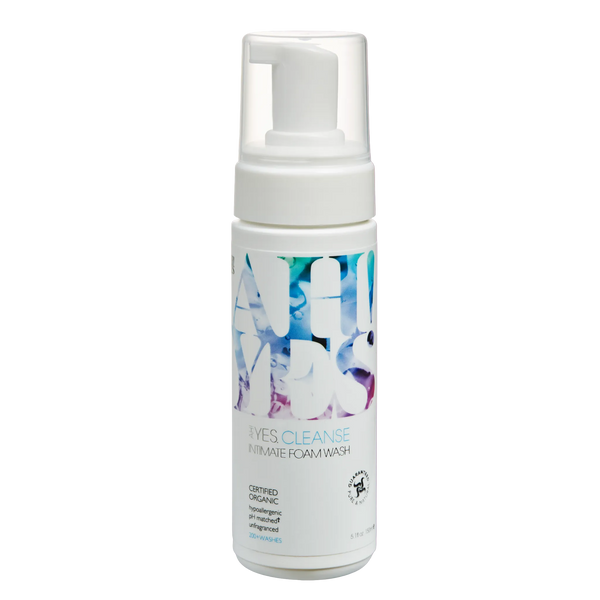
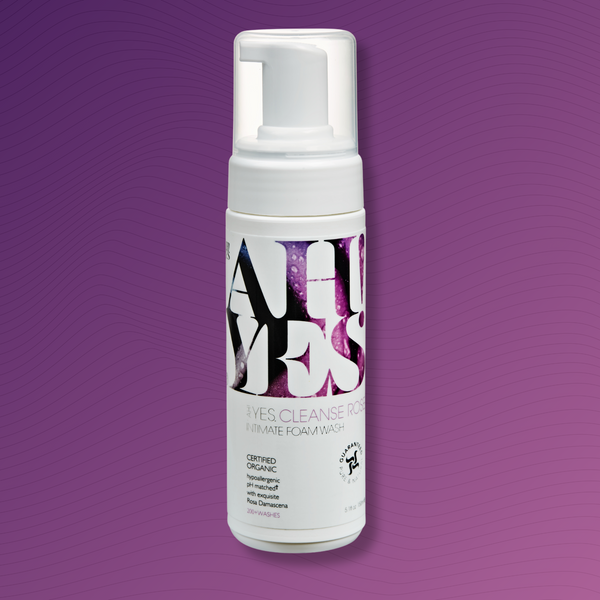

CLEANSE Intimate Wash

Scent::
FREE Shipping* on orders over $50

Have a discount code? Add it in the next step.
4.8/5 based on 1,630 reviews
There are so many different types of underwear styles to choose from—high-leg, Brazilian, bikini, shorts, thongs, midi. For some people, it’s easy to instantly choose what they want to wear. But for others, it’s not that simple.
Whether it’s based on comfort, style, or both, we often overlook a crucial factor: the potential impact on our genital health. Numerous studies suggest that the underwear we love could be affecting vaginal health—but how many of us are truly aware of this?
I’m Dr. Shilpa McQuillan, a women’s health GP and gynecologist, here to shed some light on how we can make smarter choices when selecting our underwear—so we don’t unknowingly sacrifice our genital health for comfort or style.
When it comes to underwear, there’s no one-size-fits-all. There’s an overwhelming variety of shapes and sizes, but the best fit ultimately comes down to comfort.
Wearing tight or chafing underwear can irritate the sensitive skin of the vulva and vagina. Over time, this can lead to issues like folliculitis (inflamed hair follicles), ingrown hairs, boils, numbness, abrasions, and discoloration.
Tight clothing can also become a breeding ground for bacteria and yeast, as it doesn’t allow for enough airflow. This causes sweat and moisture to build up—creating the perfect conditions for vaginal and urinary tract infections.
Many studies have also linked tight clothing to conditions like vulvodynia (chronic pain, burning, or tingling in the vulva). While clothing alone isn’t the root cause, the irritation and infections associated with tight underwear can worsen inflammation and potentially contribute to the onset of vulvodynia and other chronic conditions.
I recommend choosing a looser, more comfortable fit and limiting the amount of time you spend in tight underwear. For best results, consider going underwear-free at night to allow your skin to breathe and recover.
Thongs are often debated when it comes to vaginal and urinary infections. While there’s no direct evidence linking them to infections, many women report chafing and irritation, which can inflame the vulva and make the skin more vulnerable.
Limiting how often you wear thongs can help reduce these issues.
Everyone’s skin is different, and what works for one person may irritate another. Still, it’s important to pay attention to the materials that come into contact with sensitive areas.
Synthetic fabrics like nylon and spandex can disrupt the delicate balance of bacteria in the vaginal ecosystem. The vagina relies on healthy bacteria to maintain an acidic pH, which helps protect against harmful bacteria and infections.
Synthetic materials can trap moisture, altering the vaginal pH and creating an environment where harmful bacteria can thrive. On top of that, artificial dyes and chemicals used in some fabrics may cause additional irritation.
Look for natural fabrics like cotton or bamboo. These materials allow your skin to breathe, absorb moisture effectively, and are naturally hypoallergenic with fewer dyes and chemicals.
The same applies when choosing period or incontinence products—opt for natural, breathable materials wherever possible.
Changing your underwear at least once a day is essential. Studies have shown that most underwear can carry small amounts of fecal matter, so it’s best to avoid wearing the same pair twice without washing.
Regular washing helps prevent bacteria buildup, and using a fragrance-free, hypoallergenic detergent can reduce the risk of irritation.
If you’re concerned about discharge or sweat, panty liners might seem like a solution—but they can sometimes cause irritation and chafing. Instead, choose cotton-lined underwear and change more frequently throughout the day if needed.
Underwear isn’t the only factor. Clothing like leggings, jeans, tights, and workout gear can also restrict airflow and contribute to irritation.
It’s also important to check the ingredients in your bathroom products. Look for vaginal moisturizers and lubricants designed to protect intimate health and maintain your vagina’s natural pH, helping defend against harmful bacteria.
When it comes to caring for your vulva and vagina, keep it simple and natural. The vagina is self-cleaning, so douches, steam treatments, and soaps are unnecessary—and can actually disrupt the balance of “good” bacteria and dry out the skin.
Simply rinsing the external vulva with warm water and maintaining good underwear hygiene is all that’s needed.
When choosing underwear, there’s no one-size-fits-all answer. Focus on comfort and breathable fabrics that support your body.
You don’t need to give up your favorite styles—but with a few mindful adjustments, you can help keep your vulva and vagina healthy and comfortable in the long run.
About the Author
Dr. Shilpa McQuillan is the founder of the Berkshire Menopause Clinic in Henley, an accredited menopause specialist, community gynecologist, and women’s health GP.
For more information, email info@berkshiremenopauseclinic.com or visit:
https://berkshiremenopauseclinic.com/
Read more about the changes your body goes through during peri menopause and post menopause.


