
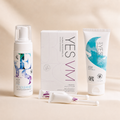
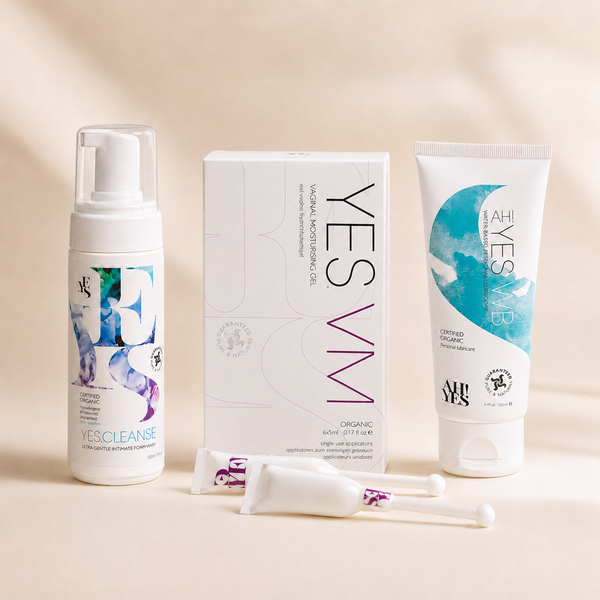
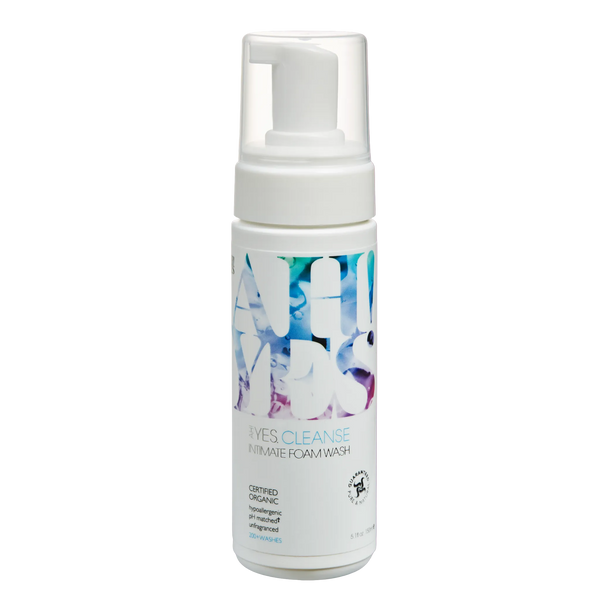
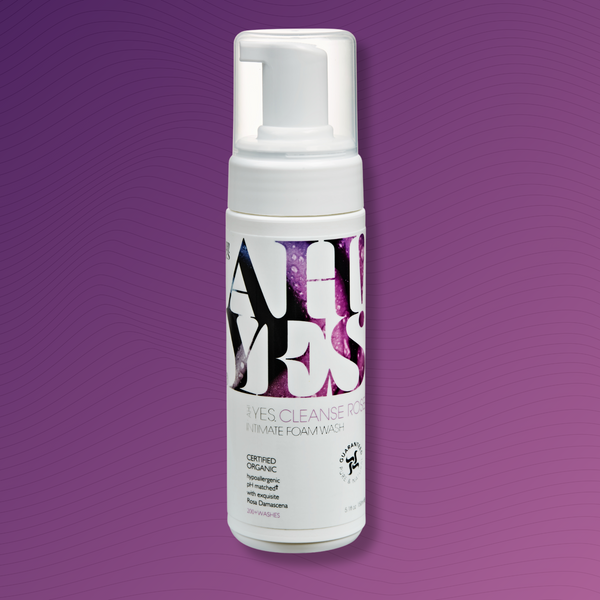

CLEANSE Intimate Wash

Scent:

Have a discount code? Add it in the next step.
4.8/5 based on 1,630 reviews
There are a lot of myths around vaginal dryness, and most of them keep people uncomfortable for longer than they ever needed to be. Let's take seven of the most stubborn myths and replace each one with the evidence, plus a few words from women who've been there.
Truth: it's common, and it's one part of genitourinary syndrome of menopause (GSM), a recognized and treatable condition that can also bring bladder symptoms such as urgency, frequency and recurrent UTIs. Without treatment it generally gets worse, not better, so there's no prize for waiting it out.
“Yes vaginal moisturiser has been life changing for me.” (verified customer)
Truth: it often begins in perimenopause, in your late 30s or 40s. Breastfeeding, some contraceptives, antidepressants and cancer treatments can cause it at any age. Sadly, some of these can lower libido too, something few people realize.
“A life saver during perimenopause. No nasty reactions.” (verified customer)
Truth: lube eases friction in the moment. Ongoing dryness needs a vaginal moisturizer, used several times a week, and sometimes a prescription treatment such as vaginal estrogen.
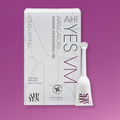
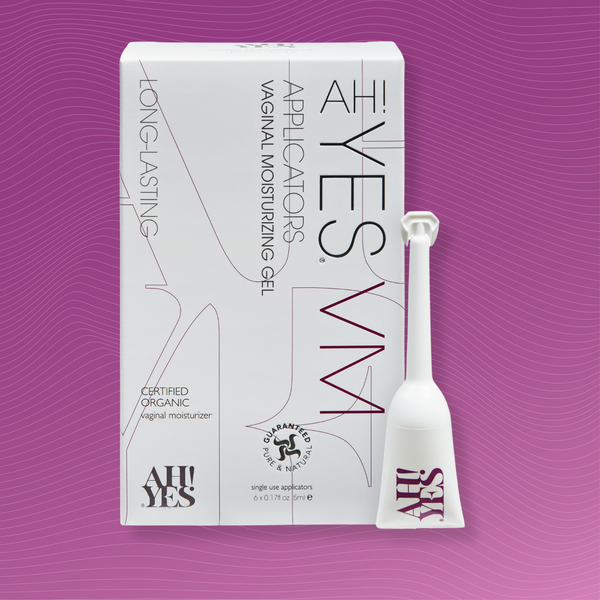
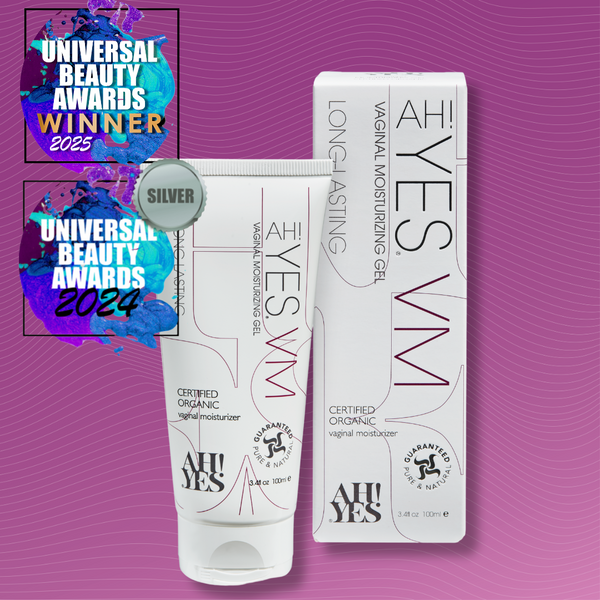
AH! YES® VM is iso-osmotic, meaning it's matched to the concentration of vaginal tissue. That lets it release moisture gradually, over one to three days, only where it's needed.
| Vaginal moisturizer | Lubricant | |
|---|---|---|
| What it does | Long-lasting hydration for everyday comfort | Silky glide that eases friction during intimacy |
| Best for | Ongoing dryness, itching, menopause | Dryness during sex, painful sex, instant relief |
| How often | Daily at first, then every 3 days as symptoms improve | Whenever you need it |
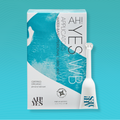
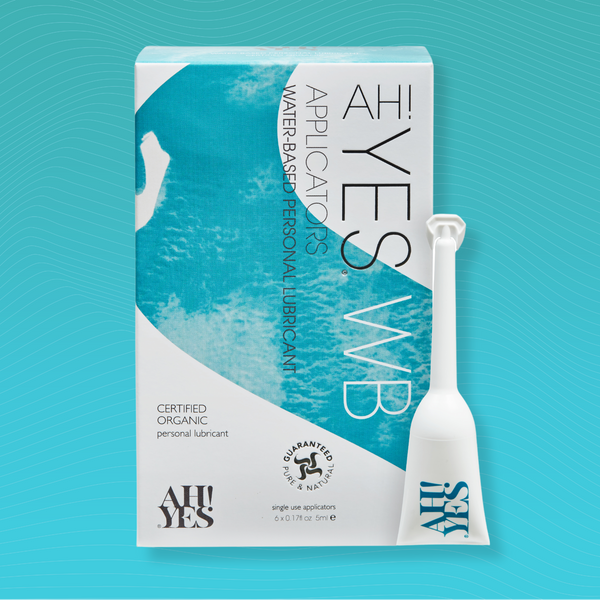
| AH! YES® pick | AH! YES® VM | AH! YES® WB (condom-safe) or AH! YES® COCO (not condom-safe) |
“I used to have such irritation and now it is gone!” (verified customer)
Truth: hormone-free, paraben-free moisturizers and lubricants are widely recommended in cancer care. Many conventional lubricants contain methyl paraben, an estrogen mimic that isn't advised after estrogen-receptor-positive cancer.
AH! YES® VM and AH! YES® WB contain no hormones, parabens or glycerin. A 2016 review in the journal Climacteric advises women to choose a product that is “optimally balanced in terms of both osmolality and pH and is physiologically most similar to natural vaginal secretions.” Both products meet these criteria. Always check with your care team first.
“…using Yes VM for years during and after breast cancer treatment.” (verified customer)
From the experts: Retired consultant breast surgeon and author Liz O’Riordan, who has had breast cancer herself, writes that many women blame themselves when sex becomes difficult after treatment: “A lot of us feel like it’s our ‘fault’ that sex is now so difficult.” It isn’t, and help is there. (Read Liz’s guest blog)
Truth: cooking oils aren't pH- or osmolality-matched and can disrupt the vaginal microbiome. Products formulated for intimate tissue are a gentler choice.
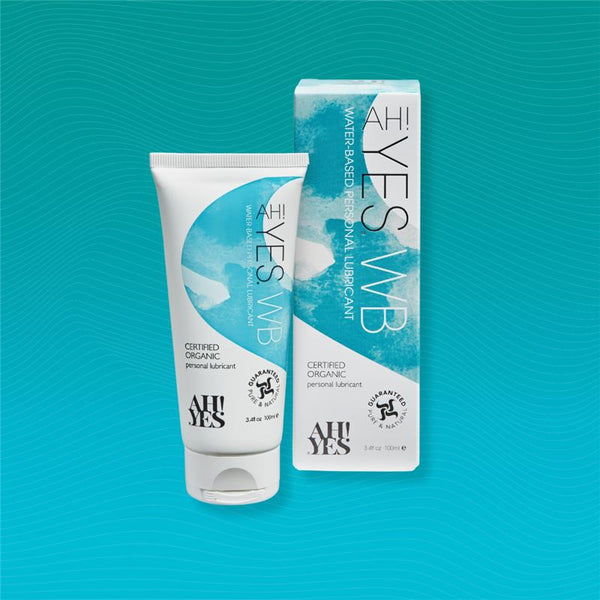
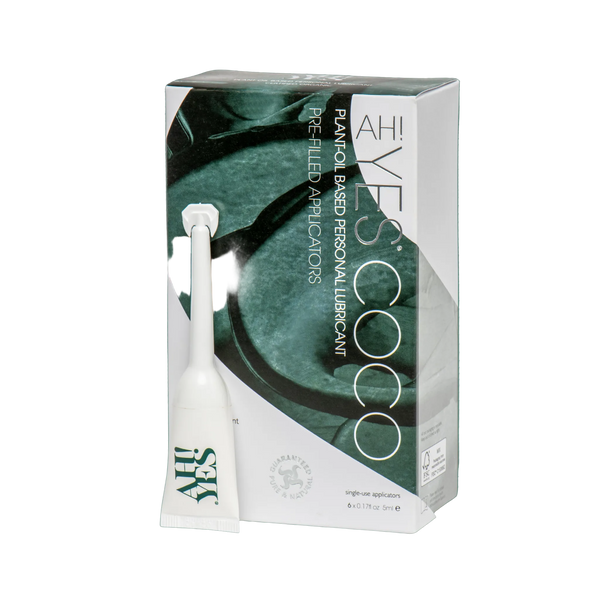
One rule applies to every oil, organic or not: it degrades latex. Use a water-based option like AH! YES® WB with condoms, and keep oil-based lubricants such as AH! YES® COCO for condom-free sex.
“Brilliant, soothing, and no itching, the only product I've found that works.” (verified customer, on AH! YES® COCO)
Truth: systemic HRT often doesn't fully resolve vaginal symptoms, and many people still need local care. Hormone-free moisturizers like AH! YES® VM can be used alongside HRT.
Truth: with comfort restored, intimacy very much continues. Pleasure doesn't have an expiration date.
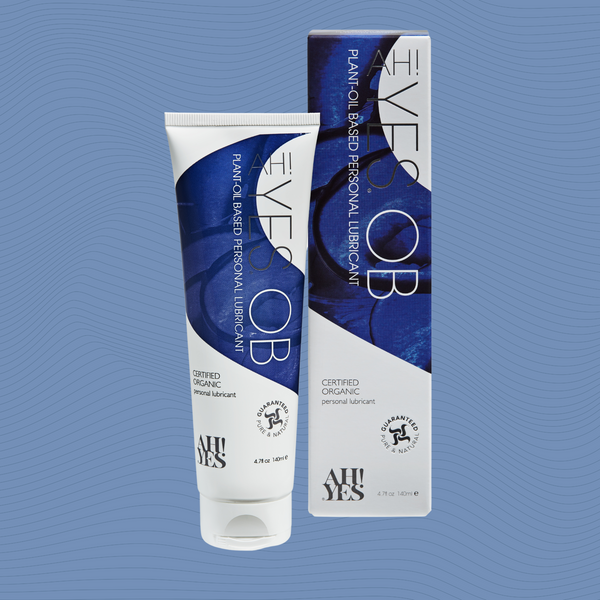
“Having found a new partner in my 70s this product has given us a new lease of life. I thought my days of pain-free love making were over. How wrong was I.” (Feefo customer review, on AH! YES® OB)
Most of these myths assume dryness is inevitable, trivial or untreatable. In reality it's a well-understood, estrogen-driven tissue change with a genuine menu of treatments, both non-hormonal and hormonal.
The quietest myth is that this is somehow shameful to discuss. It isn't. Up to half of women going through menopause experience vaginal dryness. The only embarrassing thing is how rarely we're told the facts.

Sources: AH! YES dryness guide (17%, 90%; National Library of Medicine) · AH! YES hydration blog (50%)
It can start at any age, and it becomes more common as estrogen falls.
From the experts: UK family doctor (GP) Dr Philippa Kaye notes that many women don’t feel able to raise dryness, even with their doctor, though plenty of treatments exist. Her advice: “The take home point is you don’t need to suffer, let your doctor help!”
Vaginal dryness is common and treatable. There are gentle, certified-organic options as well as effective prescriptions, and knowing the facts is the first step to feeling better, and to letting go of the shame these myths carry.
AH! YES® products are Soil Association certified organic, pH-matched to the vagina, and hormone- and glycerin-free.
Individual results vary. If symptoms persist, speak to your doctor, pharmacist or care team.
Read more about the changes your body goes through during peri menopause and post menopause.

