
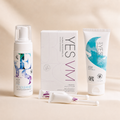

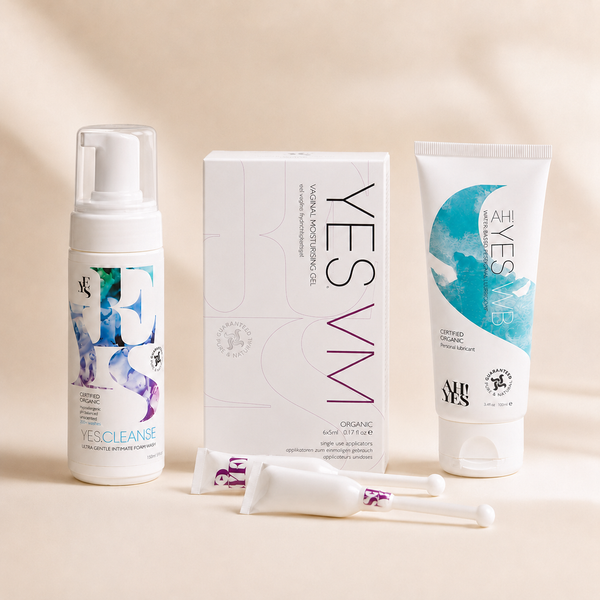
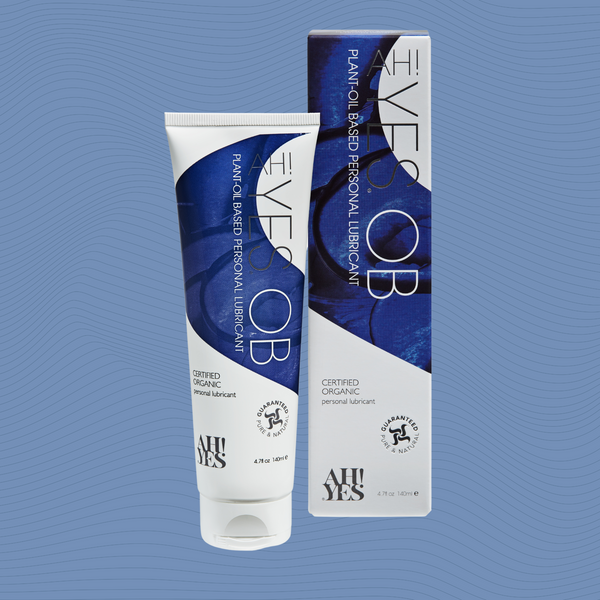
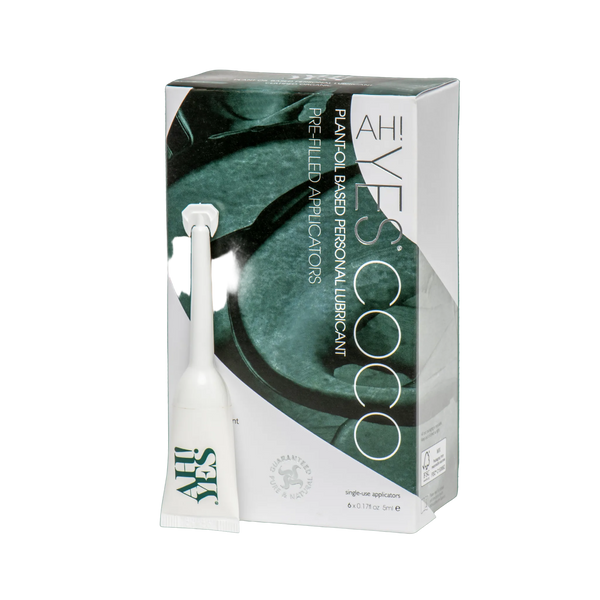
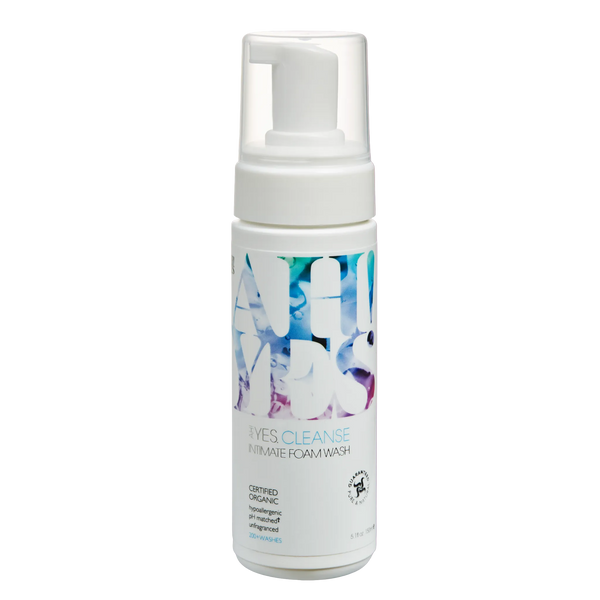
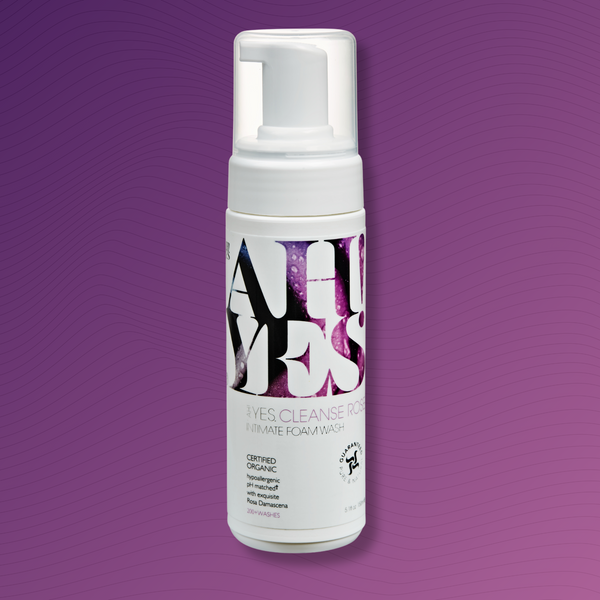

CLEANSE Intimate Wash

Scent:
FREE Shipping* on orders over $50

Have a discount code? Add it in the next step.
4.8/5 based on 1,630 reviews
If you’ve found yourself caught in a frustrating loop of UTIs after menopause, or that nagging “I always need to pee” feeling, there’s a connection you may never have been told about. The same hormonal shift that dries the vagina also affects the urinary tract, and recognizing that can change your treatment for the better.
Estrogen receptors aren’t confined to the vagina; they’re also in the urethra and the trigone of the bladder. As estrogen declines, this tissue thins and loses resilience. At the same time, the rising vaginal pH and falling lactobacilli mean the protective bacterial environment that normally helps keep pathogens (like E. coli) in check is weakened. Together, these changes make UTIs, urgency and frequency markedly more common after menopause, a well-recognized but under-discussed part of GSM.
Recurrent UTIs (typically three in a year, or two in six months) become much more common after menopause. In a study of 5,638 women, vaginal estrogen was associated with a roughly 52% drop in UTI frequency, and it’s the only non-antibiotic therapy with Grade A evidence for prevention in this group.
Here’s the genuinely useful part: local vaginal estrogen has strong evidence for preventing recurrent UTIs in postmenopausal women, by restoring the lining, lowering pH and rebuilding the protective microbiome. The landmark 1993 trial and a large 2023 cohort both showed substantial reductions, and current urology and menopause guidelines recommend it specifically for recurrent UTIs. If you’ve been on repeated antibiotic courses with no end in sight, this is well worth raising with your clinician.
Not every burning sensation is a true bacterial infection. Atrophy-related irritation can mimic a UTI without bacteria behind it, which is one reason repeated antibiotics sometimes don’t solve the problem, and why some “UTIs” return endlessly. A urine culture can help distinguish the two, so it’s worth asking for one rather than treating blind.
Keeping vulvovaginal tissue hydrated and the local microbiome balanced supports urinary comfort more broadly, and a gentle, hormone-free daily routine can sit alongside any medical care your clinician recommends.
Please don’t self-treat a suspected infection. See a clinician for diagnosis and, where appropriate, a culture, but do raise the menopause link and ask specifically about local vaginal estrogen, because it’s frequently the missing piece.
Recurrent UTIs after menopause aren’t “just bad luck.” Hydrated, balanced tissue, plus the right medical care, can help break the cycle.
Read more about the changes your body goes through during peri menopause and post menopause.


